- English
- Español
- Português
- русский
- Français
- 日本語
- Deutsch
- tiếng Việt
- Italiano
- Nederlands
- ภาษาไทย
- Polski
- 한국어
- Svenska
- magyar
- Malay
- বাংলা ভাষার
- Dansk
- Suomi
- हिन्दी
- Pilipino
- Türkçe
- Gaeilge
- العربية
- Indonesia
- Norsk
- تمل
- český
- ελληνικά
- український
- Javanese
- فارسی
- தமிழ்
- తెలుగు
- नेपाली
- Burmese
- български
- ລາວ
- Latine
- Қазақша
- Euskal
- Azərbaycan
- Slovenský jazyk
- Македонски
- Lietuvos
- Eesti Keel
- Română
- Slovenski
- मराठी
- Srpski језик

Why Is LED T8 Heat Sink Important for Long-Lasting Lighting Performance?
LED T8 lighting products are widely used in factories, offices, warehouses, supermarkets, hospitals, schools, and parking facilities because of their energy-saving capabilities and long operational lifespan. However, many users overlook one critical component that directly affects durability and efficiency: the heat sink.
This article explains how LED T8 heat sinks work, why thermal management matters, what materials are commonly used, how poor heat dissipation damages LEDs, and what buyers should consider before choosing a lighting solution. Whether you are an importer, lighting distributor, engineer, contractor, or facility manager, understanding heat sink performance can help reduce failure rates and improve lighting reliability.
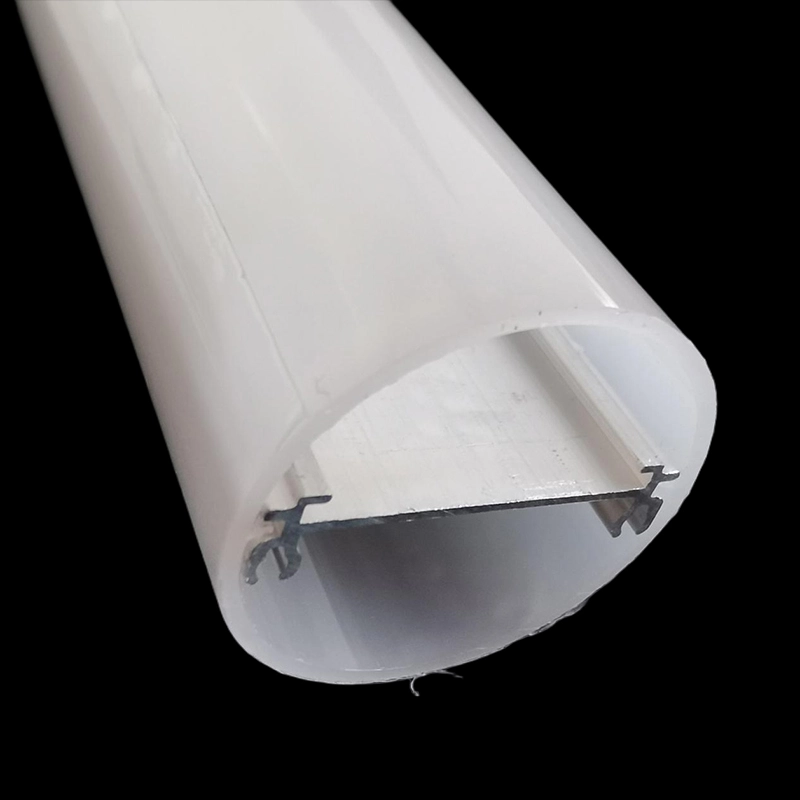
Table of Contents
- 1. What Is an LED T8 Heat Sink?
- 2. Why Does Heat Management Matter in LED Tubes?
- 3. How Does an LED T8 Heat Sink Work?
- 4. Which Materials Are Best for LED T8 Heat Sinks?
- 5. What Problems Can Poor Heat Dissipation Cause?
- 6. How Does Heat Sink Design Affect LED Performance?
- 7. Where Are LED T8 Heat Sinks Commonly Used?
- 8. Aluminum vs Plastic LED T8 Heat Sink Comparison
- 9. How to Choose the Right LED T8 Heat Sink?
- 10. How to Maintain LED Tube Thermal Performance?
- 11. Future Trends in LED Heat Sink Technology
- 12. Frequently Asked Questions
- 13. Conclusion
1. What Is an LED T8 Heat Sink?
An LED T8 heat sink is a thermal management component integrated into LED tube lighting fixtures. Its primary purpose is to transfer heat away from the LED chips and driver components to prevent overheating.
Unlike traditional fluorescent tubes, LED T8 lamps contain electronic circuits and semiconductor chips that generate heat during operation. Without effective cooling, excessive temperatures can reduce brightness, damage internal components, shorten lifespan, and increase failure rates.
Heat sinks are typically made from aluminum or thermally conductive composite materials. They are designed with special shapes, fins, grooves, or channels that maximize heat dissipation into surrounding air.
Key Function:
The heat sink acts as a bridge between the LED chip and ambient air, allowing heat to disperse efficiently while maintaining stable operating temperatures.
2. Why Does Heat Management Matter in LED Tubes?
Thermal management is one of the most important factors in LED lighting reliability. Many users focus only on lumen output and power consumption while ignoring operating temperature.
LEDs are highly sensitive to heat. Excessive junction temperature can dramatically affect:
- Brightness stability
- Color consistency
- Power efficiency
- Driver lifespan
- Overall safety
If heat accumulates inside the LED tube, the internal temperature may exceed safe operating limits. This causes rapid lumen depreciation and premature failure.
| Temperature Condition | Potential Effect |
|---|---|
| Normal Operating Range | Stable brightness and long lifespan |
| Moderate Overheating | Reduced efficiency and light decay |
| Severe Overheating | Driver failure and LED chip damage |
Proper heat sink design ensures that LEDs operate under stable thermal conditions, which directly improves long-term reliability.
3. How Does an LED T8 Heat Sink Work?
The operating principle of an LED T8 heat sink is based on thermal conduction and convection.
Heat generated by the LED chips transfers into the PCB (Printed Circuit Board), then moves into the heat sink body. The heat sink spreads thermal energy across a larger surface area, allowing surrounding air to absorb and dissipate the heat.
Effective heat sink structures usually include:
- Aluminum extrusion profiles
- Integrated cooling fins
- Ventilation channels
- Thermal conductive coatings
- Optimized contact surfaces
The larger the surface area, the better the cooling efficiency. This is why high-quality LED T8 tubes often feature precision-engineered aluminum housings.
Thermal Flow Process:
LED Chip → PCB → Heat Sink → Air Dissipation
4. Which Materials Are Best for LED T8 Heat Sinks?
Material selection greatly affects thermal conductivity, product weight, durability, and manufacturing cost.
Aluminum remains the most widely used material because it offers an excellent balance between heat dissipation and affordability.
| Material | Advantages | Disadvantages |
|---|---|---|
| Aluminum | Excellent thermal conductivity, lightweight | Higher cost than plastic |
| Plastic + Aluminum | Cost-effective hybrid solution | Moderate heat dissipation |
| Thermal Plastic | Electrical insulation and lightweight | Lower thermal performance |
Premium industrial LED tubes often use high-purity aluminum heat sinks because they provide superior thermal stability under continuous operation.
5. What Problems Can Poor Heat Dissipation Cause?
Inadequate thermal management can create multiple operational and maintenance issues.
Common problems include:
- Flickering lights
- Rapid lumen depreciation
- Color temperature instability
- Premature driver burnout
- Shortened service life
- Increased replacement frequency
Many low-cost LED tubes fail because manufacturers use undersized or low-quality heat sinks to reduce production costs.
For industrial applications where lights operate continuously for long hours, insufficient cooling can significantly increase operational expenses.
Important Reminder:
Even high-efficiency LED chips cannot perform reliably without proper thermal management.
6. How Does Heat Sink Design Affect LED Performance?
Heat sink geometry directly influences airflow efficiency and thermal resistance.
Manufacturers optimize heat sink performance through:
- Fin spacing optimization
- Extruded aluminum structures
- Integrated tube housing designs
- Airflow channel engineering
- Surface anodizing treatments
Well-designed heat sinks can maintain lower junction temperatures even under high-power operation.
Additionally, modern LED T8 products aim to combine:
- Efficient cooling
- Lightweight construction
- Elegant appearance
- Easy installation
- Mechanical durability
Advanced manufacturers such as Dongguan Jinen Lighting Technology Co., Ltd. continuously improve heat sink structures to meet demanding commercial and industrial lighting requirements.
7. Where Are LED T8 Heat Sinks Commonly Used?
LED T8 lighting systems are widely used across multiple industries due to their energy efficiency and low maintenance requirements.
Common applications include:
| Application Area | Why Thermal Management Matters |
|---|---|
| Factories | Long operating hours and high ambient temperatures |
| Warehouses | Stable illumination for logistics operations |
| Hospitals | Consistent lighting reliability |
| Retail Stores | Color stability and visual comfort |
| Parking Garages | Durability under continuous use |
In these environments, heat sink quality directly impacts maintenance intervals and lighting consistency.
8. Aluminum vs Plastic LED T8 Heat Sink Comparison
Buyers often compare aluminum and plastic LED tube housings when selecting products.
Although plastic designs may reduce cost and weight, aluminum generally delivers superior heat dissipation performance.
| Feature | Aluminum Heat Sink | Plastic Housing |
|---|---|---|
| Thermal Conductivity | Excellent | Limited |
| Lifespan | Longer | Moderate |
| Cost | Higher | Lower |
| Industrial Use | Highly Recommended | Limited |
For demanding commercial projects, aluminum-based LED T8 heat sinks are usually the preferred choice.
9. How to Choose the Right LED T8 Heat Sink?
Selecting the right LED T8 heat sink involves evaluating several technical and operational factors.
Buyers should consider:
- Thermal conductivity
- Tube wattage
- Operating environment
- Ambient temperature
- Installation location
- Expected operating hours
- Product certification
Questions buyers should ask suppliers include:
- What is the operating temperature range?
- What aluminum grade is used?
- Has thermal testing been completed?
- What is the expected lifespan?
- Is the design suitable for enclosed fixtures?
Reputable manufacturers provide detailed thermal performance data and quality assurance documentation.
10. How to Maintain LED Tube Thermal Performance?
Proper maintenance helps preserve heat dissipation efficiency over time.
Recommended maintenance practices include:
- Cleaning dust accumulation regularly
- Ensuring proper airflow around fixtures
- Avoiding sealed environments without ventilation
- Monitoring abnormal temperature rise
- Replacing damaged drivers promptly
Dust and debris can block airflow and reduce cooling efficiency. Routine inspection helps extend lighting system lifespan and maintain energy efficiency.
11. Future Trends in LED Heat Sink Technology
As LED lighting technology evolves, heat sink innovation continues to improve.
Emerging trends include:
- Graphene-enhanced thermal materials
- Ultra-lightweight aluminum alloys
- Integrated smart thermal monitoring
- Advanced extrusion manufacturing
- Environmentally friendly materials
Future LED T8 heat sink systems will likely become more compact while delivering even greater cooling performance.
Manufacturers that invest in advanced thermal engineering will continue leading the high-performance lighting market.
12. Frequently Asked Questions
Q1: Why do LED T8 tubes need heat sinks?
LED chips generate heat during operation. Heat sinks transfer this heat away to prevent overheating and ensure stable performance.
Q2: Which material is best for LED T8 heat sinks?
Aluminum is generally considered the best material because of its excellent thermal conductivity and lightweight structure.
Q3: Can overheating reduce LED lifespan?
Yes. Excessive heat accelerates lumen depreciation and can damage drivers and LED chips.
Q4: Are plastic LED tubes less reliable?
Plastic tubes may offer lower thermal performance compared to aluminum designs, especially in high-temperature environments.
Q5: How can I identify a high-quality LED T8 heat sink?
Look for strong aluminum construction, proper thermal testing, reliable certifications, and stable long-term operating performance.
13. Conclusion
LED T8 heat sinks play a critical role in lighting system reliability, efficiency, and lifespan. Effective thermal management protects LED chips, maintains brightness stability, reduces maintenance costs, and improves long-term performance.
Whether used in commercial offices, industrial facilities, warehouses, or retail spaces, selecting a high-quality LED T8 heat sink solution is essential for achieving dependable illumination.
Dongguan Jinen Lighting Technology Co., Ltd. focuses on delivering advanced LED thermal management solutions with durable structures, optimized heat dissipation performance, and reliable manufacturing quality for global lighting applications.
Contact Dongguan Jinen Lighting Technology Co., Ltd. today to explore high-performance LED housing solutions, customized thermal management designs, and professional manufacturing support for your business needs.