Modern lighting design requires more than simple illumination. Designers and engineers increasingly focus on appearance, heat management, installation flexibility, and long-term performance. The Strip LED Aluminum Profile has become an important component in professional LED lighting systems because it provides structural support, improves visual effects, and helps create cleaner lighting installations for residential, commercial, and architectural environments.
Explore The Complete Guide
What Is LED Profile Technology and Why Is It Important?
LED lighting technology has developed rapidly in recent years, creating new requirements for installation methods, heat control, and visual appearance. Traditional LED strip installation methods may not always provide sufficient protection, consistent lighting output, or professional finishing.
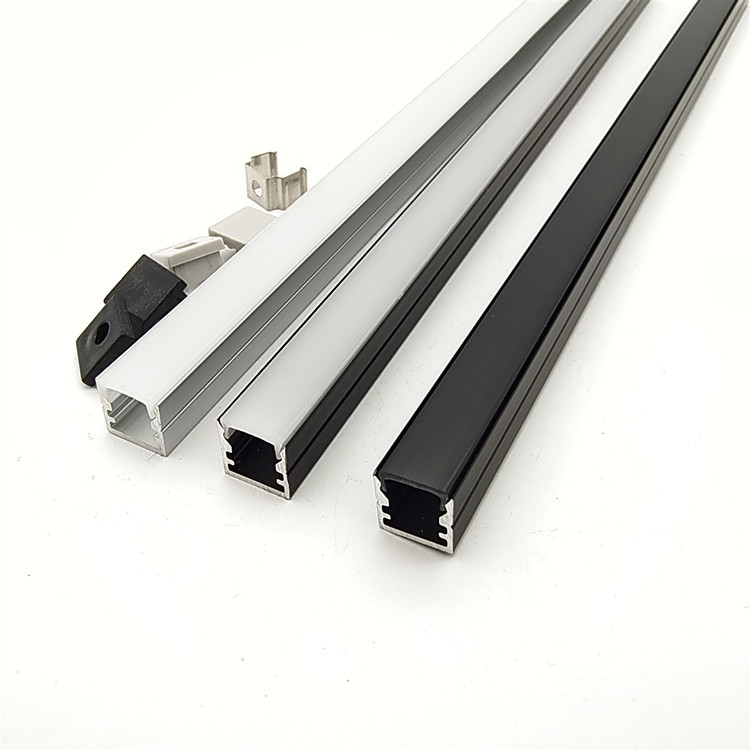
LED profiles were developed to solve these challenges by creating a dedicated housing system for LED strips. These components combine mechanical protection, thermal management, and decorative design elements into one integrated solution.
The Basic Function of LED Profiles
-
Provides a stable mounting structure for LED strips.
-
Improves heat dissipation during lighting operation.
-
Creates cleaner and more professional installation results.
-
Protects LED components from external impact and dust.
A well-designed LED profile helps transform individual LED strips into complete lighting systems. It supports consistent installation quality while allowing designers to achieve different lighting effects through various shapes, covers, and mounting methods.
Importance in Modern Lighting Projects
Modern architecture and interior design increasingly use indirect lighting, linear lighting, and customized illumination solutions. These applications require components that can adapt to different spaces while maintaining visual harmony.
|
Design Requirement
|
LED Profile Contribution
|
Application Benefit
|
|
Visual Appearance
|
Creates clean and hidden LED installations.
|
Improves overall lighting aesthetics.
|
|
Heat Management
|
Provides aluminum housing for thermal transfer.
|
Supports stable LED operation.
|
|
Installation Flexibility
|
Supports different mounting methods.
|
Adapts to various project requirements.
|
|
Protection
|
Offers physical protection for LED strips.
|
Extends system reliability.
|
Structural Design Features Behind Modern LED Applications
The design structure of an LED profile directly influences installation performance, lighting appearance, and user experience. Different applications require different profile shapes, dimensions, and accessories.
Profile Body Structure
The main body is typically designed to hold LED strips securely while providing a pathway for heat transfer. Engineers consider dimensions, wall thickness, and installation methods when developing profile structures.
-
Designed for stable LED strip positioning.
-
Supports different installation environments.
-
Provides mechanical protection.
-
Allows integration with diffusers and accessories.
Diffuser Cover Design
Diffuser covers play an important role in controlling light distribution. They help reduce visible LED points and create smoother illumination effects.
|
Cover Type
|
Lighting Effect
|
Suitable Applications
|
|
Opal Cover
|
Soft and uniform light output.
|
Indoor decorative lighting.
|
|
Clear Cover
|
Higher light transmission.
|
Applications requiring stronger brightness.
|
|
Special Diffuser
|
Customized optical performance.
|
Professional architectural lighting.
|
Why Are Aluminum Materials Preferred for LED Systems?
Material selection plays an important role in LED lighting component design. Aluminum has become one of the most widely used materials in professional lighting systems because of its excellent combination of lightweight structure, thermal performance, durability, and processing flexibility.
The aluminum structure used in LED lighting applications provides a reliable foundation for protecting LED strips while supporting efficient heat transfer. This makes it suitable for various environments where lighting performance and installation quality are important.
Thermal Management Advantages
Heat control is one of the most important considerations in LED system design. Although LED technology is highly efficient, heat generated during operation still needs to be managed properly to maintain stable performance.
-
Aluminum provides effective thermal conductivity.
-
Helps transfer heat away from LED components.
-
Supports more stable lighting performance.
-
Reduces potential issues caused by excessive heat accumulation.
Durability and Structural Protection
LED strips are lightweight electronic components that require suitable protection during installation and daily use. Aluminum profiles create a protective structure that helps prevent physical damage while maintaining a professional appearance.
|
Material Feature
|
Technical Function
|
Lighting System Benefit
|
|
High Thermal Conductivity
|
Transfers heat efficiently from LED components.
|
Supports consistent lighting operation.
|
|
Lightweight Structure
|
Provides strong support without excessive weight.
|
Allows flexible installation solutions.
|
|
Corrosion Resistance
|
Maintains surface stability in different environments.
|
Improves long-term appearance.
|
|
Easy Processing
|
Allows customized profile designs.
|
Supports diverse lighting projects.
|
Surface Treatment Options
Surface finishing technology improves both appearance and practical performance. Different treatment methods allow LED profiles to match various interior styles and project requirements.
-
Anodized finishes provide a clean and durable surface.
-
Powder coating supports different color customization needs.
-
Special finishes improve visual integration with surroundings.
-
Surface treatments enhance product appearance.
Manufacturing Process and Quality Management
Professional LED profile manufacturing requires precise processing technology, strict production management, and detailed quality inspection procedures. Each production stage influences the final product performance and installation experience.
Aluminum Extrusion Process
Extrusion is a common manufacturing method used for producing aluminum profiles. During this process, aluminum materials are shaped into specific profile designs according to engineering requirements.
-
Creates consistent profile dimensions.
-
Supports complex structural designs.
-
Provides efficient production capability.
-
Allows development of customized shapes.
CNC Processing and Surface Finishing
After extrusion, additional processing steps may be applied to improve product accuracy and appearance. Precision cutting, drilling, and surface treatment help ensure that profiles meet different application requirements.
|
Manufacturing Stage
|
Main Purpose
|
Quality Focus
|
|
Material Preparation
|
Select suitable aluminum materials.
|
Material consistency and specification control.
|
|
Extrusion Forming
|
Create designed profile structures.
|
Dimensional accuracy and surface quality.
|
|
Precision Processing
|
Complete required cutting and machining.
|
Installation compatibility.
|
|
Surface Treatment
|
Improve appearance and durability.
|
Finish quality and uniformity.
|
|
Final Inspection
|
Verify product standards.
|
Appearance, dimensions, and performance checks.
|
Quality Inspection Procedures
Quality control ensures that every lighting component meets expected requirements before delivery. Manufacturers usually evaluate multiple aspects, including dimensions, appearance, structural integrity, and accessory compatibility.
-
Dimensional accuracy inspection.
-
Surface appearance evaluation.
-
Accessory matching verification.
-
Packaging protection assessment.
A professional manufacturing system combines advanced equipment with experienced technical teams. This approach helps maintain consistent product quality while supporting different lighting project requirements.
Common Applications in Different Lighting Environments
LED profile systems are widely used in modern lighting projects because they provide flexible installation options and support different design concepts. From commercial spaces to residential interiors, these components help create organized and visually appealing lighting solutions.
Architectural Lighting Applications
Architectural lighting often focuses on emphasizing building structures, decorative elements, and spatial atmosphere. LED profiles allow designers to integrate linear lighting into walls, ceilings, floors, and other architectural features.
-
Creates hidden lighting effects.
-
Supports continuous linear illumination.
-
Improves architectural visual presentation.
-
Provides cleaner installation results.
Commercial and Retail Lighting
Commercial environments require lighting systems that balance functionality and visual appeal. LED profiles are commonly applied in display areas, shelves, counters, and decorative installations.
|
Application Area
|
Lighting Purpose
|
Profile Function
|
|
Retail Displays
|
Highlight products and create visual focus.
|
Provides clean linear lighting installation.
|
|
Office Spaces
|
Create comfortable working environments.
|
Supports organized ceiling and wall lighting.
|
|
Hotels and Restaurants
|
Enhance atmosphere and interior design.
|
Enables decorative lighting concepts.
|
Frequently Asked Questions
What is the main purpose of an LED profile?
An LED profile provides a protective and supportive structure for LED strips. It helps improve installation appearance, supports heat management, and creates more professional lighting results.
Why is aluminum commonly used for LED lighting profiles?
Aluminum is widely used because it provides good thermal conductivity, lightweight structure, durability, and flexible processing options for different lighting designs.
Can LED profiles be customized for different projects?
Yes. Professional manufacturers can customize profile dimensions, surface finishes, diffuser options, and accessories according to specific project requirements.
Where are LED profiles commonly applied?
LED profiles are commonly used in residential lighting, commercial spaces, retail displays, offices, hotels, architectural projects, and decorative lighting applications.
What factors should be considered when selecting an LED profile?
Important factors include LED strip size, installation method, lighting effect requirements, environmental conditions, and desired appearance.
Create Better Lighting Solutions With Professional Support
Discover advanced LED profile manufacturing capabilities and discuss customized lighting component solutions with an experienced team.
Contact Us