- English
- Español
- Português
- русский
- Français
- 日本語
- Deutsch
- tiếng Việt
- Italiano
- Nederlands
- ภาษาไทย
- Polski
- 한국어
- Svenska
- magyar
- Malay
- বাংলা ভাষার
- Dansk
- Suomi
- हिन्दी
- Pilipino
- Türkçe
- Gaeilge
- العربية
- Indonesia
- Norsk
- تمل
- český
- ελληνικά
- український
- Javanese
- فارسی
- தமிழ்
- తెలుగు
- नेपाली
- Burmese
- български
- ລາວ
- Latine
- Қазақша
- Euskal
- Azərbaycan
- Slovenský jazyk
- Македонски
- Lietuvos
- Eesti Keel
- Română
- Slovenski
- मराठी
- Srpski језик

Application of LED Tube Housings in Traffic Lighting Reform
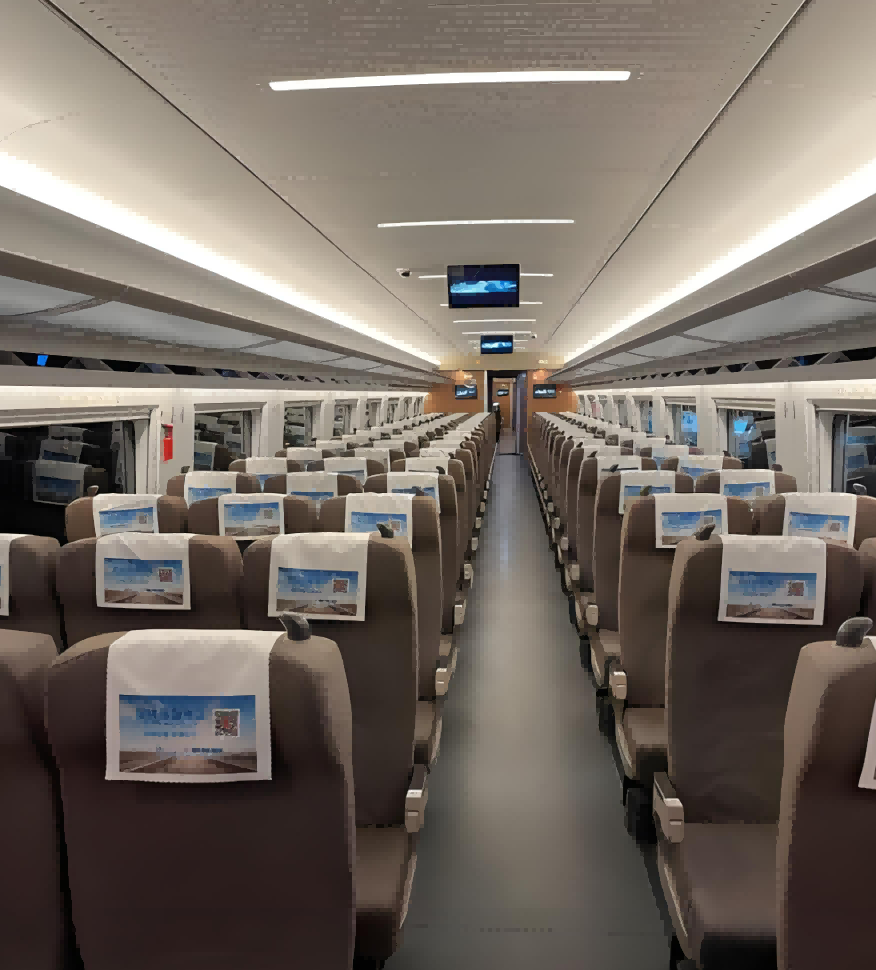
First, I want to clarify one point—traffic lighting is not as simple as changing a light bulb in a garage. Traffic lights, tunnel lighting, railcar lighting, or railway signs are systems that cannot tolerate any malfunctions. People's safety depends on these lights working properly every time.
Therefore, when we discuss replacing traditional traffic lights with LED tubes, we need to consider far more than just "plug and play." Having worked on these projects for many years, I've found the same mistakes repeatedly occurring. Here's what really matters.
What You Need to Watch Out for When Retrofitting
The biggest trap people fall into? Assuming any LED tube will work in any fixture. That's a recipe for disaster.
1. Socket compatibility is non-negotiable. If you're replacing T5 fluorescent tubes, they only work with G5 sockets. T8 tubes? G13 sockets, period. Sounds obvious, right? But you'd be surprised how many people try to force a square peg into a round hole.
Then there's the wiring situation. High-quality LED tubes come with integrated drivers and run directly at 230V. But your existing fixture probably has some kind of control gear — conventional or electronic ballast. Here's the thing: you can't just leave that stuff in place and hope for the best. Conventional control gear can often be bypassed by swapping the starter with a dummy starter. Electronic control gear? That needs to be properly decommissioned by someone who knows what they're doing. Incorrect wiring isn't just inefficient — it's a genuine safety hazard.
2. And don't forget about service life. I see people buying the cheapest LED tubes they can find and wondering why they're replacing them every couple of years. A good LED tube should have an L70 rating of at least 100,000 hours — meaning after 100,000 hours of operation, it still puts out 70% of its original brightness. Cheap tubes? You're lucky to get 30,000 hours. The math isn't complicated — spend a little more upfront, save a lot on maintenance later.
The Housing Matters More Than You Think
Here's where things get interesting. The LED tube housing — or what we in the industry call the "enclosure" — isn't just a pretty shell. It's doing real work.
Traffic environments are brutal. We're talking vibration from passing vehicles, humidity, dust, chemical corrosion (tunnel exhaust fumes, deicing salt spray), and wild temperature swings. Your housing needs to handle all of that without breaking a sweat.
So what materials actually work?
For traffic track lighting, two materials dominate of LED tube housing: flame-retardant modified polycarbonate (PC) and aluminum alloy.
Polycarbonate is lightweight, impact-resistant, offers great electrical insulation, and is cost-effective. It's the go-to choice for indoor and semi-outdoor areas like station halls and platforms. But here's the catch — PC doesn't dissipate heat well on its own. If you're going with a plastic housing, you need to pair it with an efficient metal heat sink.
Aluminum alloy is a different beast. Excellent heat dissipation, ultra-high strength, naturally fire-resistant, and outstanding weather resistance. For tunnels, high-temperature environments, high-power lamps, and areas sensitive to electromagnetic interference, aluminum is the clear winner. The downside? Higher cost and more weight.
Heat dissipation is the silent killer. LEDs generate heat, and heat kills LEDs. If your housing can't get rid of that heat efficiently, your LEDs will degrade faster, your light output will drop, and you'll be replacing tubes way ahead of schedule. An aluminum housing acts as its own heat sink. A plastic housing needs a separate heat dissipation system.
Most manufacturers use a semi-aluminum, semi-plastic structure for the best balance — aluminum base for heat sinking, PC diffuser for light transmission. The 6063 aluminum alloy is particularly popular because it's perfect for LED heat dissipation.
Certification — The Boring Stuff That Actually Matters
1. UL 8750 - the standard for LED equipment used in lighting products
2. UL 1598 - the standard for luminaires
3. UL 1993 - the standard for self-ballasted lamps and lamp adapters
Specifically for LED tubes, the certification combination is UL8750 + UL1598C + UL1993. And here's a detail most people miss - the light cover (usually polycarbonate) counts as a protective enclosure. Under UL1993, it needs to meet V-0 flammability rating, not just V-1. The end caps also need specific ratings for CTI, HAI, and HWI values under UL746C.
For Europe, the standards are different but equally strict:
4. EN61347 + EN60598 are the core requirements
5. IEC EN 62776 covers LED retrofit tubes specifically
6. For rail and transport applications, EN45545-2 fire safety standards apply - particularly the R4 category for luminaires, polycarbonate diffusers, and light covers
7. ENEC certification is another big one in Europe. It's the European mark for electrical products, and it carries serious weight.
And don't overlook photometric requirements. Traffic signals have specific light intensity standards. In the US, the ITE (Institute of Transportation Engineers) specifies luminous intensity requirements for LED signals - about 85% of incandescent signal requirements. Color requirements are equally specific: red must be above 620 nm, yellow between 585.5 and 592.5 nm, and green between 498.5 and 508.5 nm.
The Snow Problem Nobody Talks About
Since we're talking about traffic lighting, I have to mention this - because it's a real headache that doesn't get enough attention.
LEDs run cool. That's usually a good thing. But in cold climates, it's a problem. Incandescent bulbs generated so much heat that they melted snow and ice off the signal face automatically. LEDs don't produce enough heat to do that. So snow builds up, covers the lens, and suddenly nobody can see the signal.
Some agencies are adding heating elements or installing weather shields. Others are coating lenses with water-repellent substances. The point is - if you're retrofitting in a cold climate, you need a plan for this. The LED tube housing alone won't solve it.
Final Thoughts
Look, LED retrofitting for traffic lighting isn't rocket science. But it's not a DIY project either. You need the right tube for the right socket, proper wiring, a housing that can handle the environment and manage heat effectively, and certifications that prove your product is safe and compliant.
The good news? When you get it right, the payoff is huge. We're talking up to 80% energy savings, dramatically longer service life, and significantly lower maintenance costs.
Just don't cut corners on the housing. Don't skip the certifications. And for heaven's sake, don't assume every LED tube is the same. Your traffic signals — and the people who depend on them — deserve better than that.
JE is a factory specializing in the production of LED tube housing, for more details, please refer to: https://www.jeledprofile.com
For more details, please contact: sales@jeledprofile.com Tel/Whatsapp/Wechat: 0086 13427851163