- English
- Español
- Português
- русский
- Français
- 日本語
- Deutsch
- tiếng Việt
- Italiano
- Nederlands
- ภาษาไทย
- Polski
- 한국어
- Svenska
- magyar
- Malay
- বাংলা ভাষার
- Dansk
- Suomi
- हिन्दी
- Pilipino
- Türkçe
- Gaeilge
- العربية
- Indonesia
- Norsk
- تمل
- český
- ελληνικά
- український
- Javanese
- فارسی
- தமிழ்
- తెలుగు
- नेपाली
- Burmese
- български
- ລາວ
- Latine
- Қазақша
- Euskal
- Azərbaycan
- Slovenský jazyk
- Македонски
- Lietuvos
- Eesti Keel
- Română
- Slovenski
- मराठी
- Srpski језик


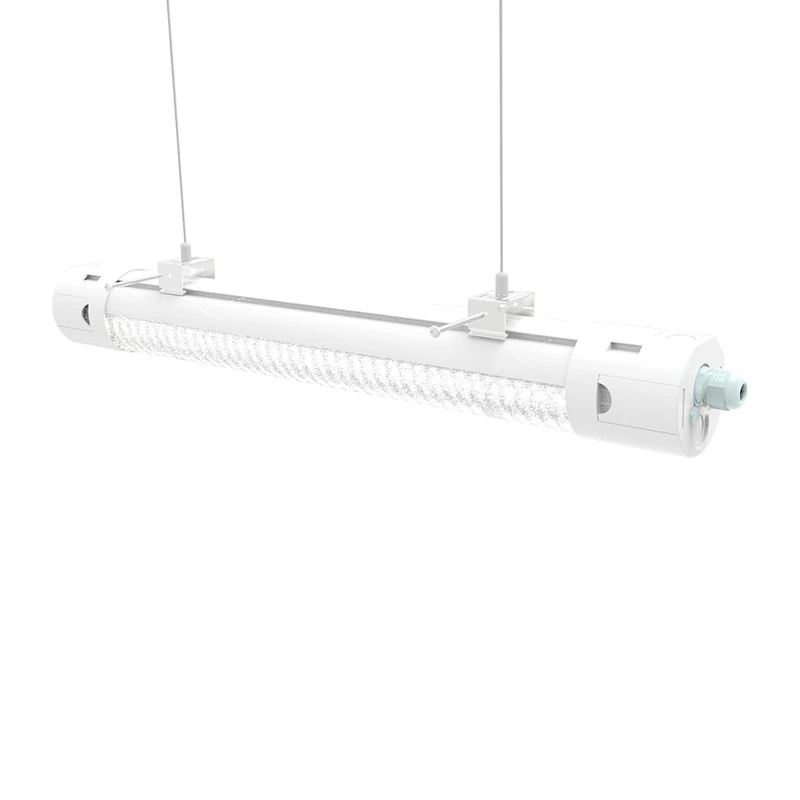
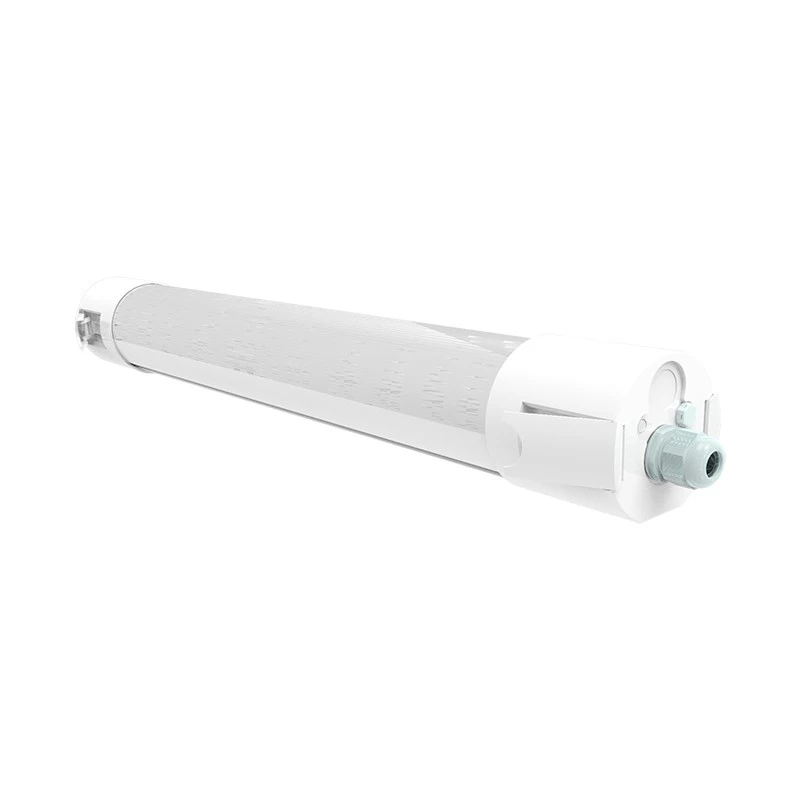
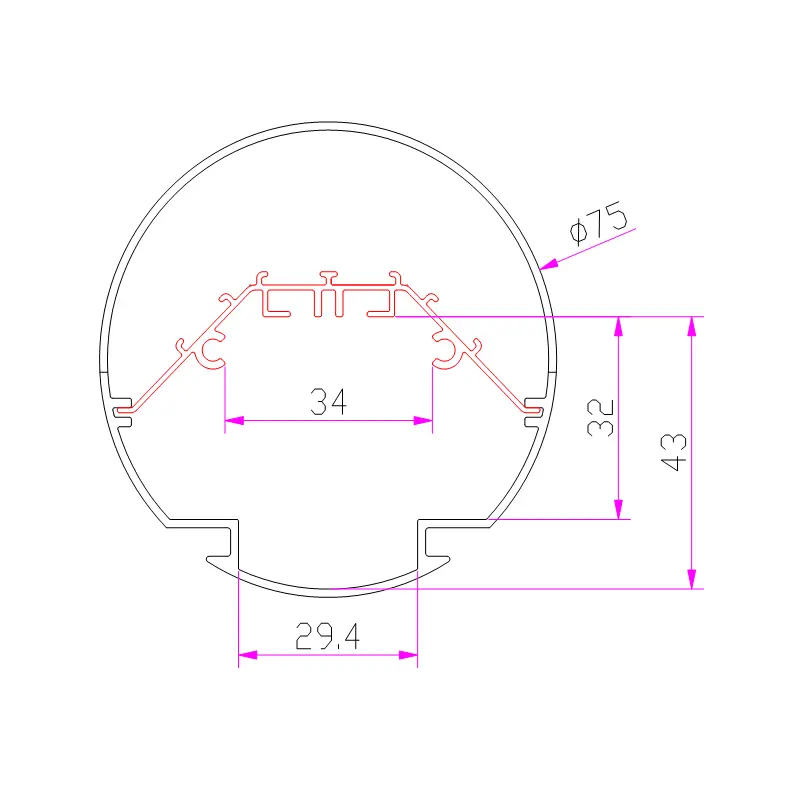
LED Tri-proof Lamp Kits
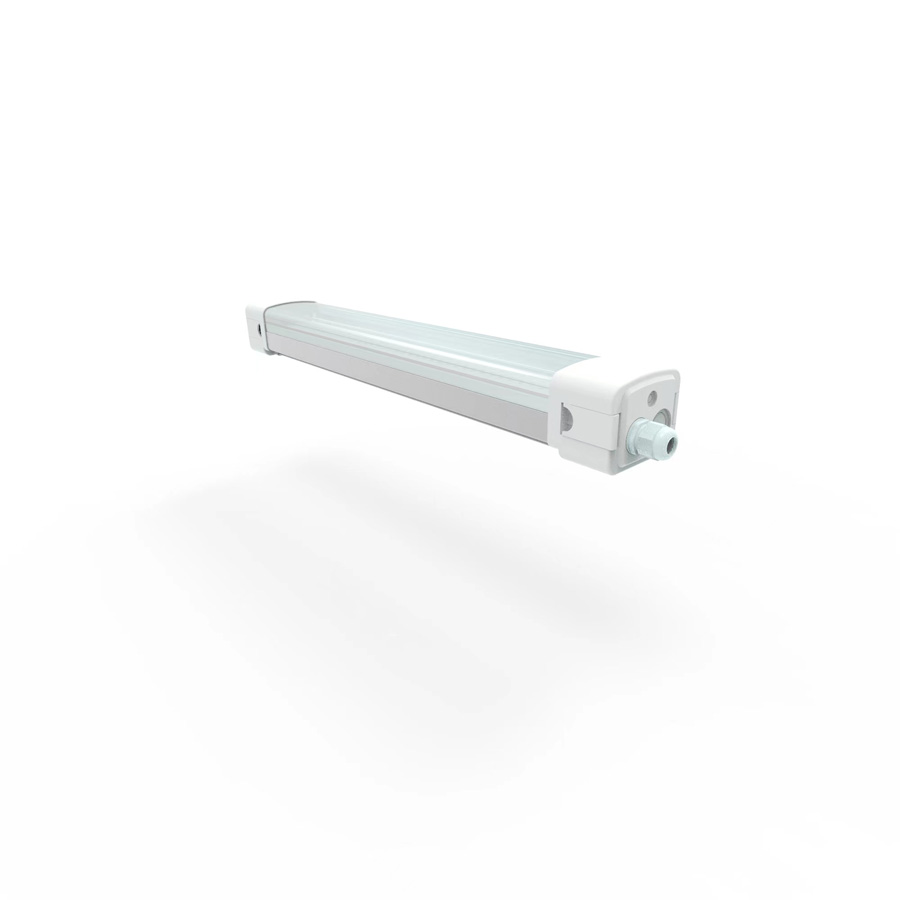
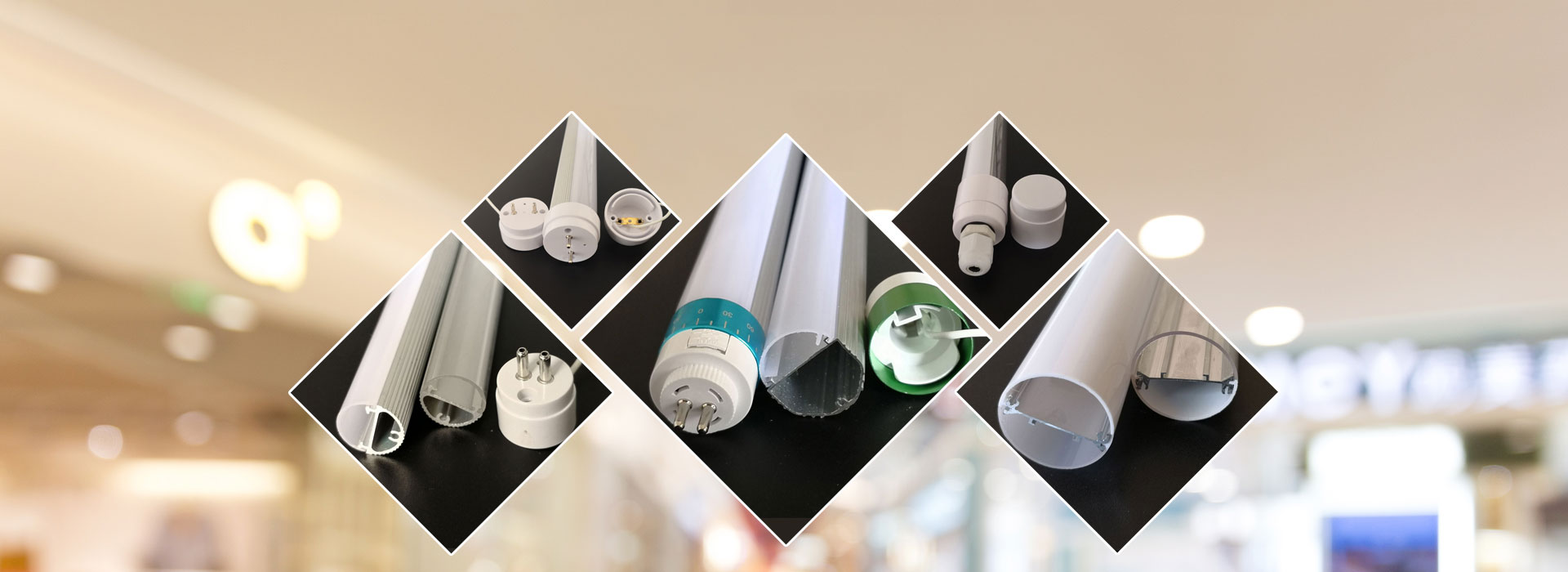
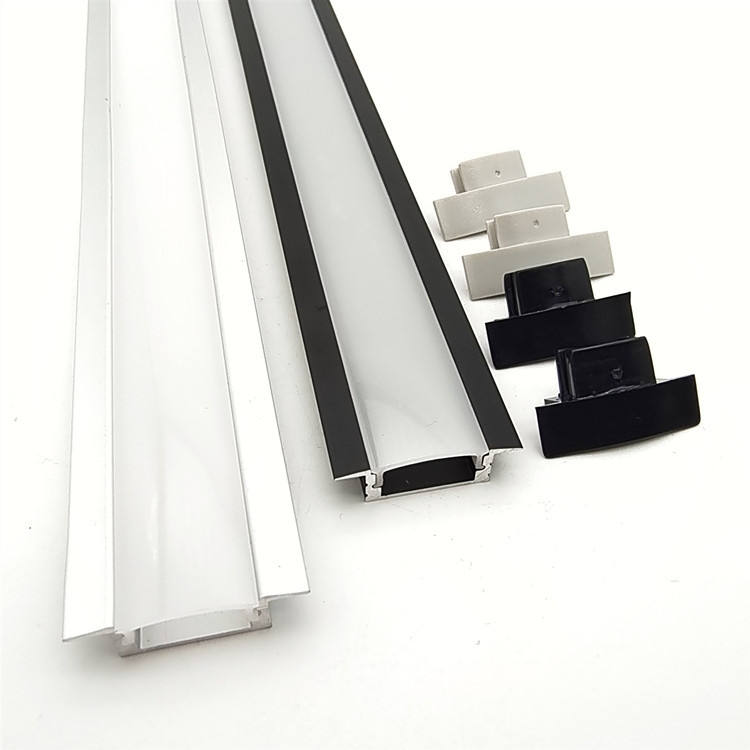
JE is a professional manufacturer of LED tri-proof lamp kits in China. Initially, we primarily supplied LED lighting factories in China. However, in recent years, with more and more overseas LED lighting factories expanding their production scale, our LED tri-proof lamp kits are now exported to dozens of countries worldwide. An LED tri-proof lamp kits is not just a fancy box, but a carefully designed system that ensures LED lights function properly in environments where ordinary lighting fixtures cannot. Water, dust, corrosion, impact, and high temperatures are all enemies of LED lights—and a high-quality housing can withstand all these threats. When purchasing, please remember: IP protection rating numbers may not be accurate, the material of the gaskets is crucial, and the quality of stainless steel varies. Always test samples and carefully consider the actual operating environment of the lighting fixture. We welcome you to test our products at any time.
Send Inquiry
Product Description
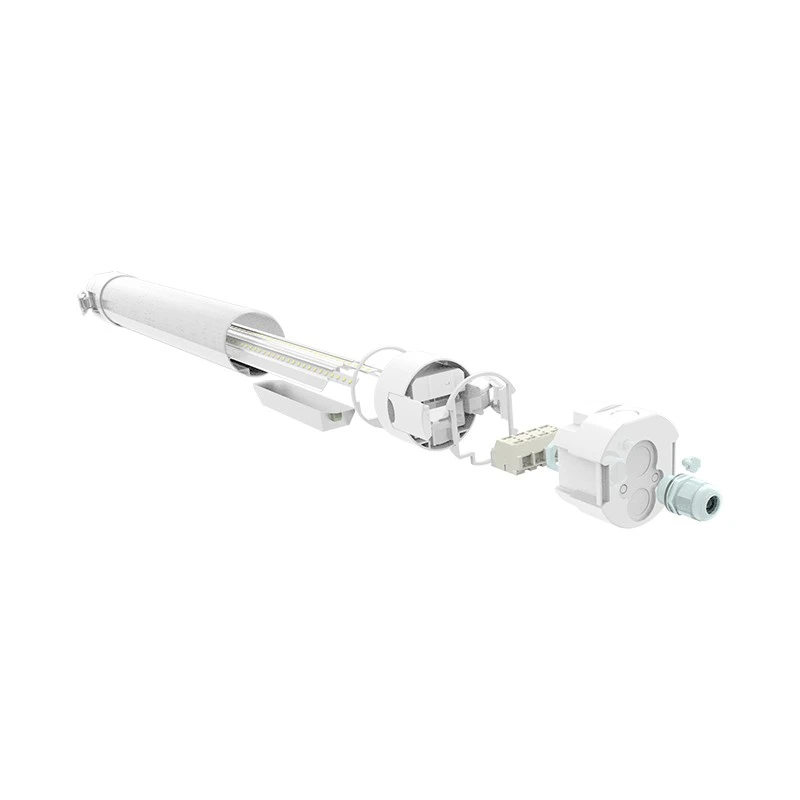
What components make up the LED tri-proof lamp kits?
JE makes LED tri-proof lamp kits day in and day out. People often ask me, “What’s actually inside those things?” Or they think it’s just a metal tube with a plastic cover. Well, there’s more to it. Let me walk you through the parts, piece by piece, like I’m showing you around our workshop.
1. The Main Body (Extruded Aluminum Profile)
This is the backbone of a LED tri-proof lamp kits. It’s usually made from 6063 aluminum alloy, which is great for heat dissipation. We extrude it into different shapes – flat, curved, or with cooling fins on the back. The body holds the LED board and the driver. Without it, everything would just fall apart.
What’s special about our body? First, the thickness. We use at least 1.5mm walls. Cheap ones go down to 1.0mm and they bend like wet noodles. Second, the internal grooves. We design channels that snap-fit the diffuser and hold the end caps in place. No screws needed for assembly. Third, the fins. They’re not just for looks. More surface area means cooler LEDs, and cooler LEDs last longer.
2. The Diffuser (Light Cover)
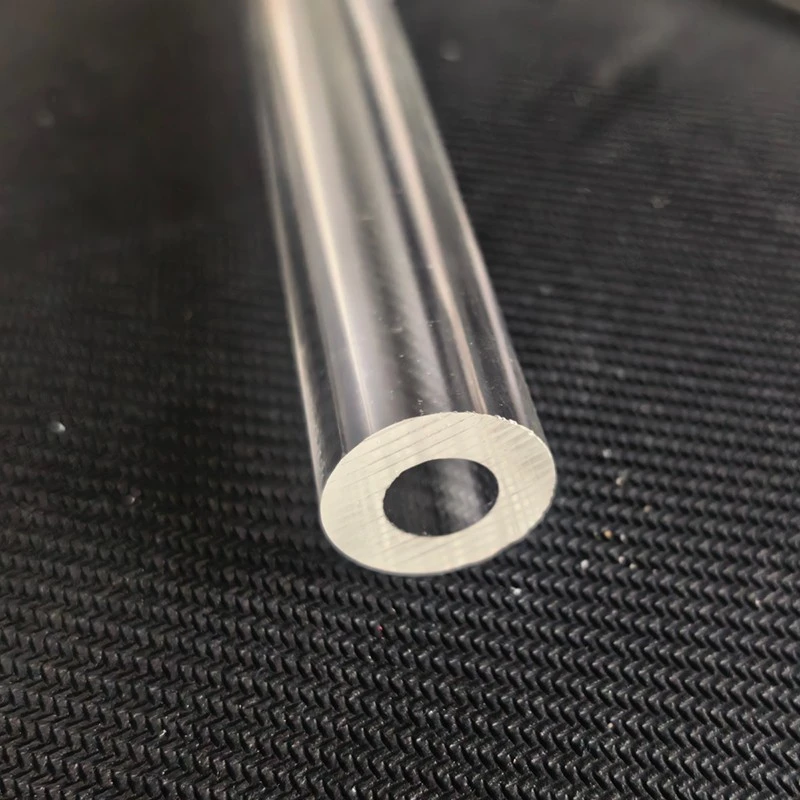
The diffuser is the transparent or translucent part that lets light out. We make them from polycarbonate (PC) – never acrylic for tri-proof, because acrylic cracks too easily. PC is tough. You can hit it with a hammer and it won’t shatter.
We offer three types: clear, milky white, and striated. Clear gives you the most light output, but you might see the individual LEDs. Milky white hides everything and gives a soft, even glow – great for offices. Striated (those fine lines) spreads light sideways, which is perfect for long hallways or parking garages.
The diffuser also has a UV coating. Without it, the plastic turns yellow in sunlight after a year. We’ve tested ours for 5,000 hours under UV lamps. No yellowing.
3. The End Caps (Two Sides)
End caps seal the ends of the housing. They’re made from the same aluminum or sometimes from PC. But here’s the trick: we add silicone gaskets inside each cap. When you screw the cap onto the body, the gasket compresses and creates a watertight seal.
Some end caps have cable glands pre-installed. Others have knockouts – little plastic circles you can punch out to fit conduit. We also put stainless steel screws here, not regular steel. Regular rusts in a humid environment, and then you can’t open the light ever again. Been there, learned that.
4. The Gaskets (Seals)
You might think gaskets are boring. They’re not. They’re the difference between IP65 and IP00. We use silicone rubber for all our gaskets. Why silicone? It stays flexible from -40°C to 200°C. EPDM gets hard in the cold. TPE cracks after a few years. Silicone just works.
We have a continuous gasket that runs along the groove in the main body. Then another gasket inside each end cap. And a third around the cable entry. Triple protection. We test every batch by spraying water at 100 liters per minute from 3 meters away. No leaks, no complaints.
5. The Mounting Clips (or Brackets)
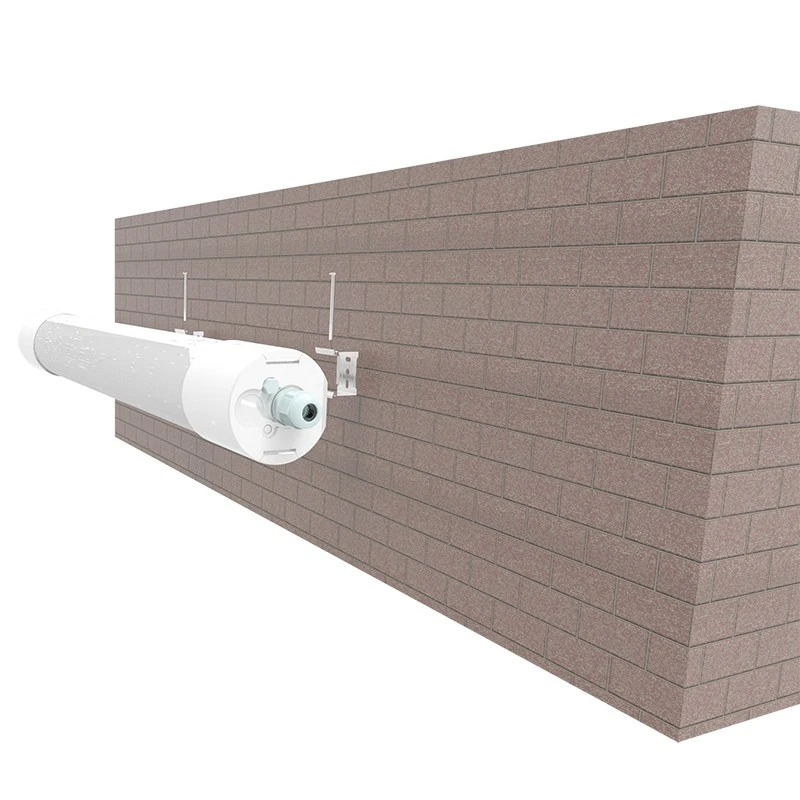
How do you hang this thing on the ceiling? You use mounting clips. Ours are made from stainless steel 304 (or 316 if you’re near the ocean). The clip slides onto the back of the housing, then you screw the clip to the wall or ceiling. Simple.
But we added a twist: the clip is adjustable. You can loosen a screw, slide the light left or right, then tighten it. This saves so much time when you’re lining up multiple lights in a row. Electricians love it. I’ve seen them hug me for this feature. Okay, not really, but they’ve thanked me.
6. The Cable Gland (or Connector)
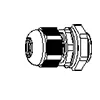
This little part lets wires go into the housing without letting water in. It’s a plastic or metal nut with a rubber insert. You push the cable through, tighten the nut, and the rubber squeezes around the cable. Boom – sealed.
We use PG7, PG9, or PG11 sizes, depending on the wire thickness. For outdoor use, we recommend a double-seal gland with an O-ring inside. Cheap glands leak after a few months. Ours are tested for 500 hours of salt spray. No corrosion.
7. The Reflector (Optional)
Some designs include a reflector – a white plastic piece that sits behind the LEDs. It bounces light forward instead of letting it get absorbed by the aluminum. This adds about 10-15% more light output without using more power.
Not every tri-proof housing has one. But for high-efficiency projects, we add it. The reflector is made from PC with a white coating. It’s held in place by the same grooves that hold the diffuser. No extra hardware.
8. The Grounding Screw
Safety first. Every metal housing needs a grounding point. We put a stainless steel screw inside the body, right next to the driver area. You attach the ground wire from your mains cable to this screw. It’s marked with the ground symbol. I’ve seen housings without this, and they’re illegal in most countries. Don’t skip it.
9. The Driver Bracket (Inside)
Inside the housing, there’s a small metal bracket or a set of plastic clips that hold the LED driver in place. The driver is the power supply – it converts high voltage AC to low voltage DC. If it rattles around, wires can break. So we design a snug fit.
Our driver brackets are tool-less. You just snap the driver in, and it stays. To remove it, you squeeze two tabs. This makes replacement easy. I’ve spent way too many hours struggling with drivers held by zip ties. Never again.
Product Parameter (Specification)
|
Item NO. |
JE-613 |
|
Length |
600/900/1200/1500mm or customized |
|
Tube |
Tri-proof |
|
Size |
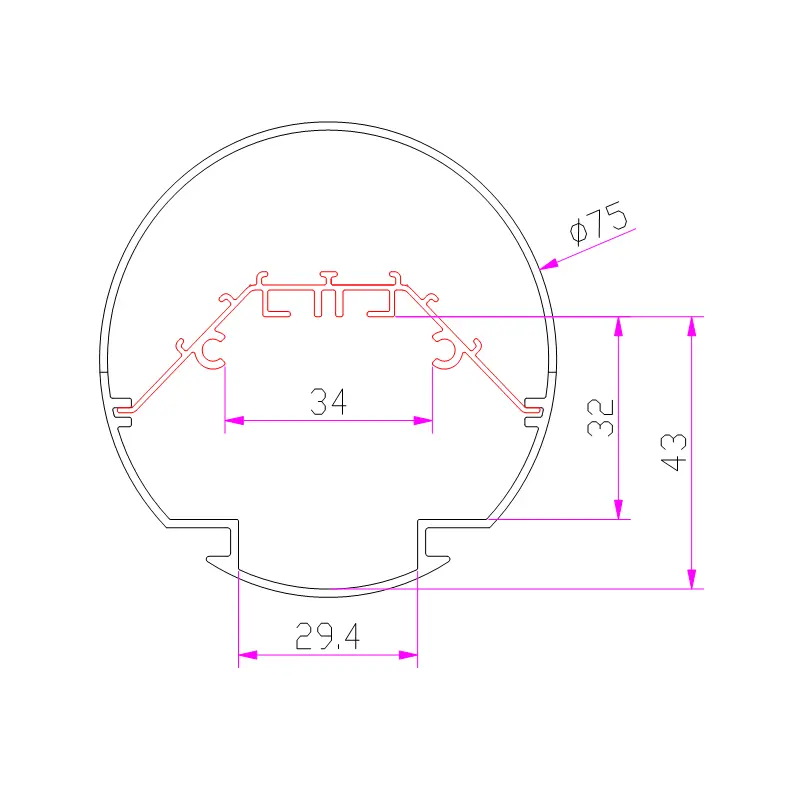
Diameter is 75mm |
|
PCB board size |
10*1mm(1/2/3pcs) |
|
Driver |
Internal |
|
Max height of driver |
40mm |
|
Aluminum material |
6063 aluminum alloy |
|
Aluminum base color |
Silver |
|
Plastic diffuser material |
Polycarbonate |
|
Plastic diffuser color |
Frosted, Clear(transparent) |
|
End caps |
Plastic |
|
Waterproof |
IP65 |
|
Structural components |
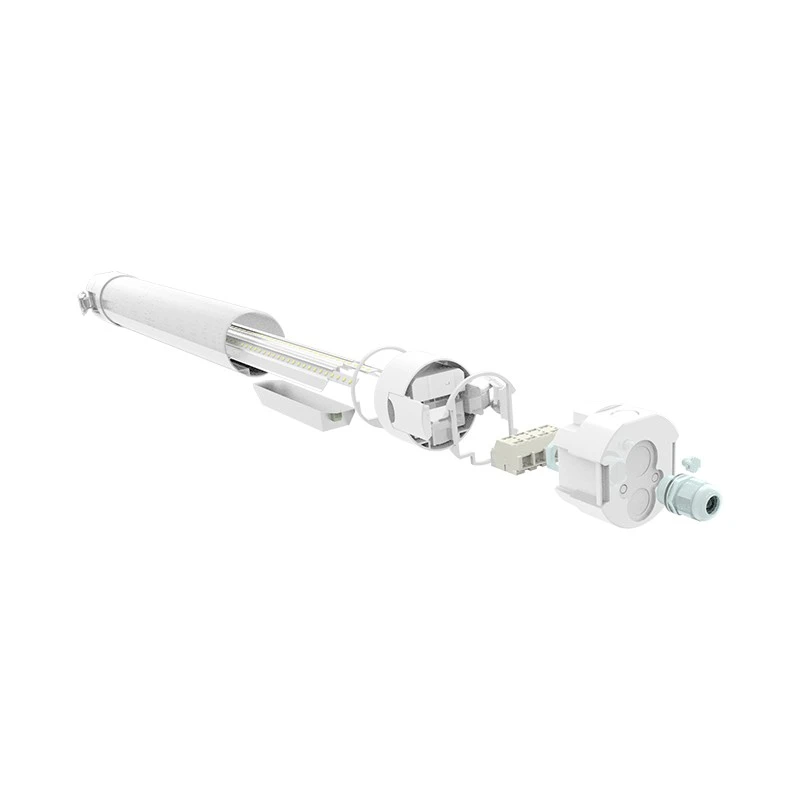
Please refer to the below |
|
Item |
Part picture |
Part name |
Part QTY |
|
1 |
|
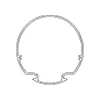
PC tube |
1 |
|
2 |
|
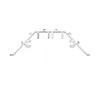
Aluminum profile |
1 |
|
3 |
|
PCB |
3 |
|
4 |
|
Gasket1 |
2 |
|
5 |
|
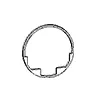
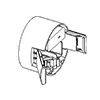
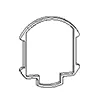
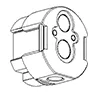
End cap |
2 |
|
6 |
|
Gasket2 |
2 |
|
7 |
|
End cap |
2 |
|
8 |
|
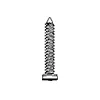
M4*15 screw |
4 |
|
9 |
|
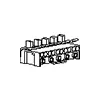
Terminal |
1 |
|
10 |
|
PG13.5 waterproof nut |
1 |
|
11 |
|
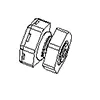
Waterproof vent valve |
1 |
3.Product Feature And Application
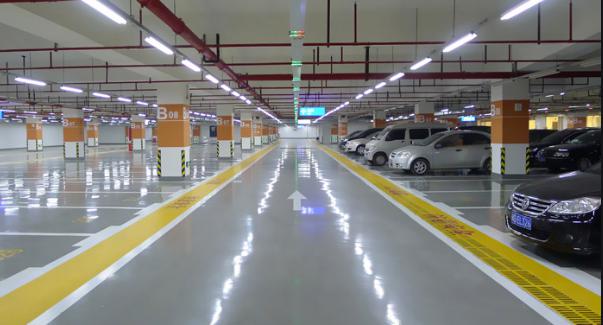
LED tri-proof lamp kits can be made into many kinds of batten lights, this lights are generally used in power plants, steel, petrochemicals, ships, stadiums, parking lots, basements,
4. Product Details
More details of this LED tri-proof lamp kits:
5. Product Qualification
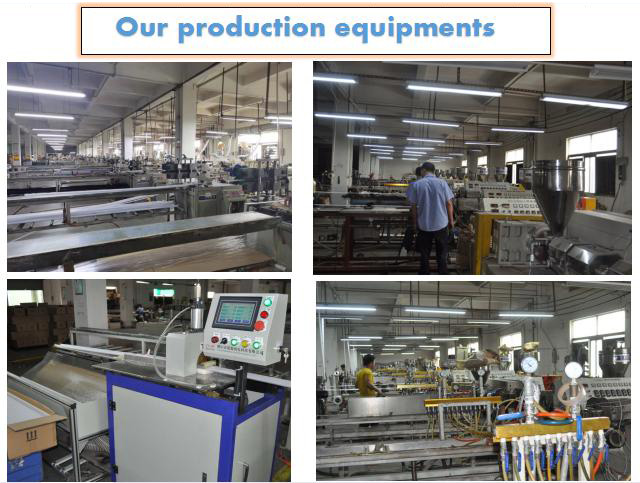
Dongguan Jinen Lighting Technology Co., Ltd. is located in Dongguan City, Guangdong Province, the "world factory". As a professional OEM&ODM LED aluminum profile and LED plastic profile extrusion manufacturer, we have more than 500 kinds of public mold products and more than 2,000 customized private mold products. It has become a leading enterprise in the industry and is deeply trusted and supported by customers. In order to improve production efficiency, we have carried out one-out-two technical upgrades for products with very large orders, which greatly improves production efficiency, reduces costs for customers, and achieves a win-win situation.
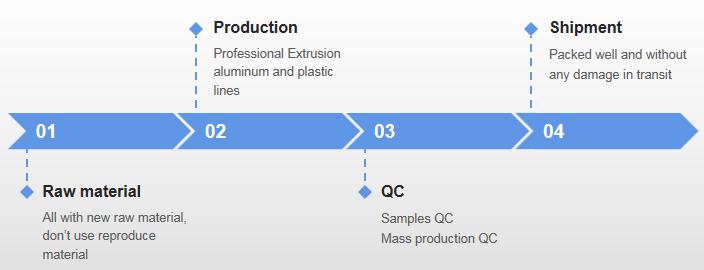
6. Deliver,Shipping And Serving
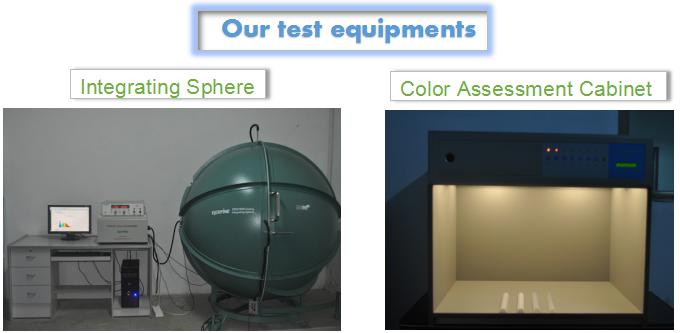

7.FAQ
Where Do People Use LED Tri-proof Lights?
The short answer: anywhere that’s wet, dusty, or nasty. Here are some real-world examples from my customers.
Food Processing Plants
Think about a meat packing facility. They hose down everything with hot water and cleaning chemicals every day. Regular lights would fill with water and short out. Tri-proof lights with IP66 or IP67 ratings survive the daily washdowns. We also use smooth diffusers without crevices where bacteria could hide.
Parking Garages
Parking structures are dusty, humid, and cars kick up all kinds of grime. Plus, the lights get hit by exhaust fumes (corrosive) and occasional bumps from side mirrors. Tri-proof housings with IK10 impact resistance and UV-stabilized polycarbonate diffusers last for years without yellowing or cracking.
Cold Storage and Freezers
I’ve seen lights in frozen food warehouses at -25°C. Normal housings get brittle and crack. The seals shrink and let moisture in, which then freezes and expands – destroying the housing. Tri-proof designs use special silicone that stays flexible in the cold. We also add anti-condensation coatings on the inside of the diffuser so you don’t get fogging when you open the freezer door.
Car Washes and Tunnels
Car washes are brutal – high-pressure water, soap, wax, and constant vibration. Tri-proof lights with IP69K (high-pressure, high-temperature washdowns) are sometimes used here. The housing has to be absolutely sealed, with no gaps around the cable entry.
Chemical Plants and Farms
Ammonia from livestock waste, salt spray near the ocean, acidic vapors from industrial processes – all these attack metal. Tri-proof housings with stainless steel hardware and special powder coating resist corrosion that would destroy ordinary lights in months.
Subways and Underpasses
Vibration from trains, dust from tunnels, and occasional flooding. Subway systems use tri-proof lights with anti-vibration mounts and high IP ratings. I’ve seen our housings still working after being partially submerged for hours during a storm.
Outdoor Canopies and Gas Stations
Even outdoors, regular lights eventually fail from humidity and temperature swings. Tri-proof housings with UV-resistant diffusers handle direct sunlight and rain without yellowing or leaking.
Hot Tags: LED Tri-proof Lamp Kits, China, Manufacturers, Factory, Customized, Made in China, Suppliers, Wholesale, Quotation
Related Category
LED Tube Housing
LED Aluminum Profiles
LED Plastic Profiles
Tri-proof LED Fixture
PC Tube
LED Tube End Cap
Send Inquiry
Please feel free to give your inquiry in the form below. We will reply you in 24 hours.