- English
- Español
- Português
- русский
- Français
- 日本語
- Deutsch
- tiếng Việt
- Italiano
- Nederlands
- ภาษาไทย
- Polski
- 한국어
- Svenska
- magyar
- Malay
- বাংলা ভাষার
- Dansk
- Suomi
- हिन्दी
- Pilipino
- Türkçe
- Gaeilge
- العربية
- Indonesia
- Norsk
- تمل
- český
- ελληνικά
- український
- Javanese
- فارسی
- தமிழ்
- తెలుగు
- नेपाली
- Burmese
- български
- ລາວ
- Latine
- Қазақша
- Euskal
- Azərbaycan
- Slovenský jazyk
- Македонски
- Lietuvos
- Eesti Keel
- Română
- Slovenski
- मराठी
- Srpski језик

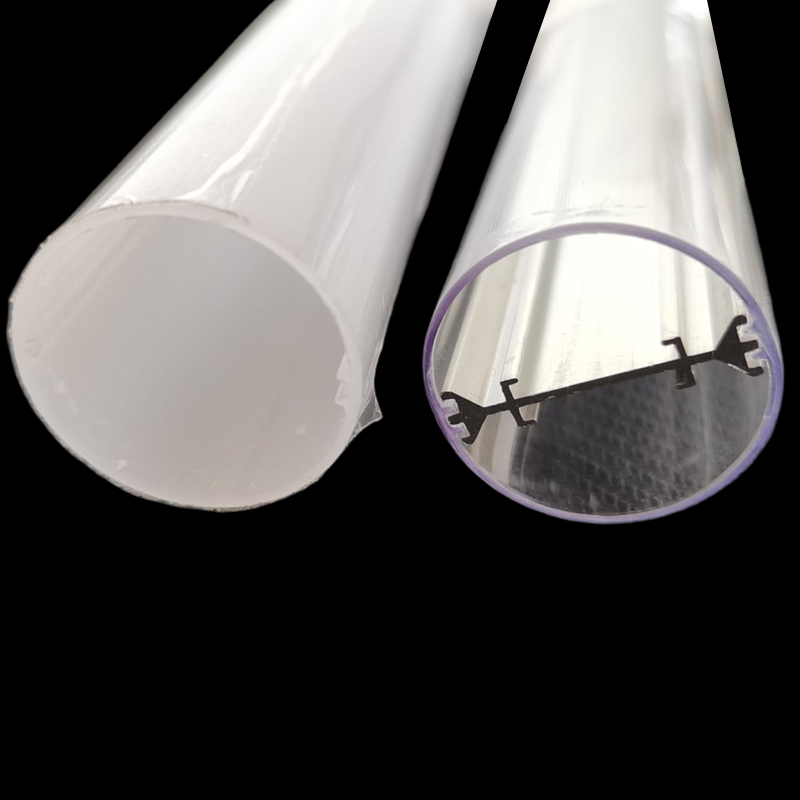
What exactly is a T8 double-sided luminous housing?
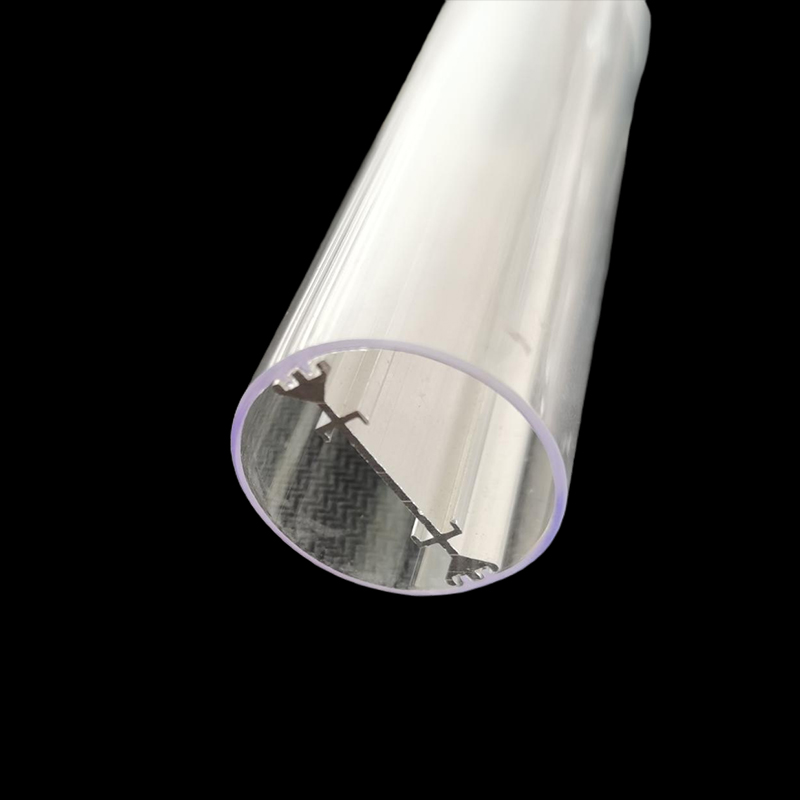
In simple terms, it’s an extruded aluminum profile that holds a T8 LED tube (or sometimes a strip) and emits light from both the front and the back—or more accurately, the top and bottom, depending on how you mount it. Standard T8 housings only shine light through one face. The other side is just a metal or plastic cover. With the double-side version, both the main face and the opposite face are fitted with PC covers or diffusers.
I remember working with a chain of grocery stores in Texas back in 2018. They had hanging linear fixtures above aisles, and the top side was always dark, creating a cave-like ceiling effect. The store manager asked me if we could get light upward without installing a whole second row of lights. That’s when I first sourced T8 Double-side luminous housing for them. The result? Soft, ambient uplighting and crisp downlight from a single fixture. Ceiling shadows disappeared, and they saved 40% on material costs compared to using two separate fixtures.
Materials That Actually Matter – No Fluff
After testing dozens of profiles from different suppliers, I’ve learned to focus on three critical material components: the aluminum alloy, the PC diffuser quality, and the end cap sealing.
1. Aluminum Alloy – 6063-T5 is the Only Answer
Some manufacturers try to cut corners with 6060 or even recycled 6063 without proper tempering. Don’t fall for it. 6063-T5 gives you the right balance of thermal conductivity (around 201 W/m·K) and structural rigidity. I’ve seen cheaper alloys warp after just one summer in a warehouse without AC. The T8 Double-side luminous housing I recommend has a wall thickness of 1.2mm to 1.5mm for the main channel. Anything thinner than 1.0mm will twist during installation, especially in lengths over 4 feet.
Example: A parking garage project in Chicago used a 1.0mm profile from a no-name supplier. Within six months, the housings sagged between mounting clips, creating visible wavy lines. We replaced them with 1.3mm 6063-T5 T8 Double-side luminous housing – zero sagging after two harsh winters.
2. PC Diffuser – Light Transmission vs. Glare Control
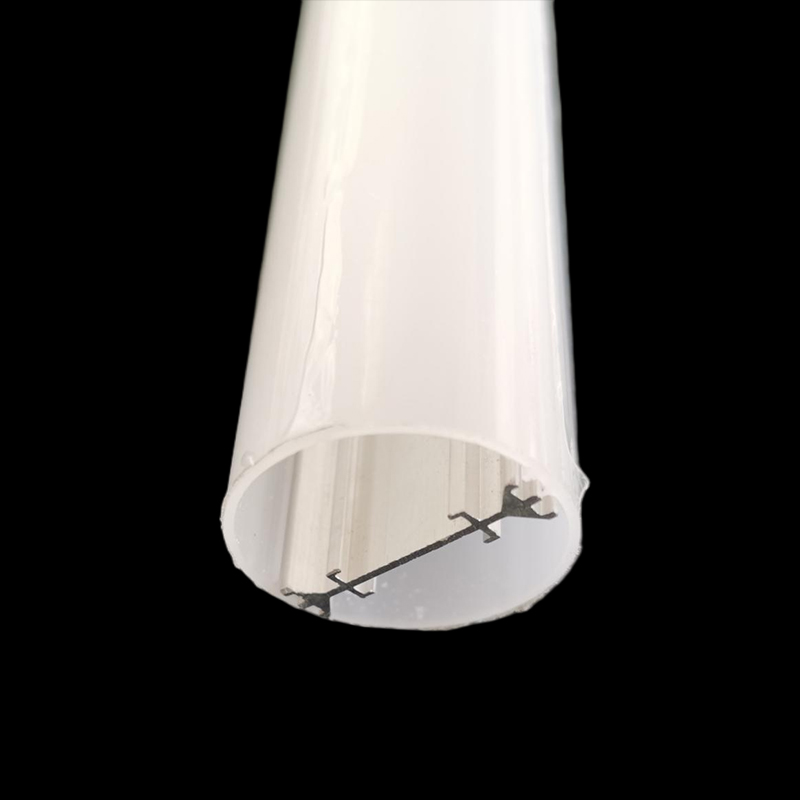
For the luminous sides, you have two options: clear PC (transmittance ~88-92%) or frosted/milky PC (~75-85%). I always ask clients: “Do you want maximum lumens or comfortable glare control?” For office ceilings at 8-9 feet, frosted is safer. For high-bay applications (15+ feet), clear gives you that extra punch.
The double-side housing I spec typically uses 0.8mm thick UV-stabilized PC with a V0 or V2 flammability rating. UV stabilizer is non-negotiable if there’s any daylight exposure – even reflected through windows. I had a retail project in Florida where non-UV stabilized diffusers turned yellow in 14 months. Looked terrible. Switched to a housing with UV-additive PC, and three years later they’re still crystal clear.
3. End Caps and Gaskets – The Silent Fail Point
Water and dust ingress is the number one killer of LED tubes in outdoor or semi-outdoor settings. The T8 Double-side luminous housing should come with silicone gaskets and stainless steel screws. IP65 rating is common. But here’s the trick: check if the gasket is pre-installed with adhesive backing or just loose. Loose gaskets shift during assembly, creating gaps. I prefer housings with a groove that locks the gasket in place.
I once consulted for a food processing plant that needed washdown-compatible fixtures. We used a double-side housing with IP66 rating and 2mm thick silicone gaskets. The housing survived weekly pressure washing with mild detergents. That’s the level of reliability you need in harsh environments.
JE is a factory specializing in the production of LED T8 double-side luminous housing, for more details, please refer to:
https://www.jeledprofile.com
For more details, please contact: sales@jeledprofile.com
Tel/Whatsapp/Wechat: 0086 13427851163
Previous:No News