- English
- Español
- Português
- русский
- Français
- 日本語
- Deutsch
- tiếng Việt
- Italiano
- Nederlands
- ภาษาไทย
- Polski
- 한국어
- Svenska
- magyar
- Malay
- বাংলা ভাষার
- Dansk
- Suomi
- हिन्दी
- Pilipino
- Türkçe
- Gaeilge
- العربية
- Indonesia
- Norsk
- تمل
- český
- ελληνικά
- український
- Javanese
- فارسی
- தமிழ்
- తెలుగు
- नेपाली
- Burmese
- български
- ລາວ
- Latine
- Қазақша
- Euskal
- Azərbaycan
- Slovenský jazyk
- Македонски
- Lietuvos
- Eesti Keel
- Română
- Slovenski
- मराठी
- Srpski језик

Do You Know About LED Tri proof Lamp Housing
If you've ever walked through a parking garage, a food processing plant, or an underground basement and noticed those long, sturdy-looking lights on the ceiling – chances are you were looking at a tri-proof light. But here's the thing: the real hero of that light isn't the LED chips or the driver. It's the housing.
Let me break it down for you.
The Short Answer
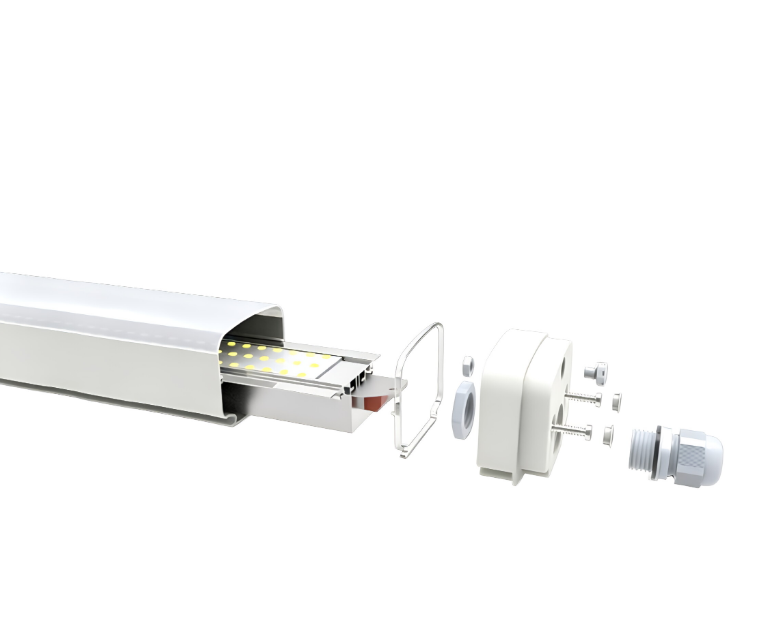
A LED tri proof lamp housing is basically the protective shell that holds everything together. It's the metal or plastic enclosure that keeps the LED board, the driver, and all the wiring safe from the three things that kill lights: water, dust, and corrosion. That's where the "tri" comes from – three layers of protection built into one housing.
Without a good housing, your LED light is just a fancy paperweight waiting to die.
What's Actually Inside the LED tri proof lamp housing?
Most tri-proof light housings aren't just a single piece of plastic or metal. They're a system. Here's what you'll typically find:
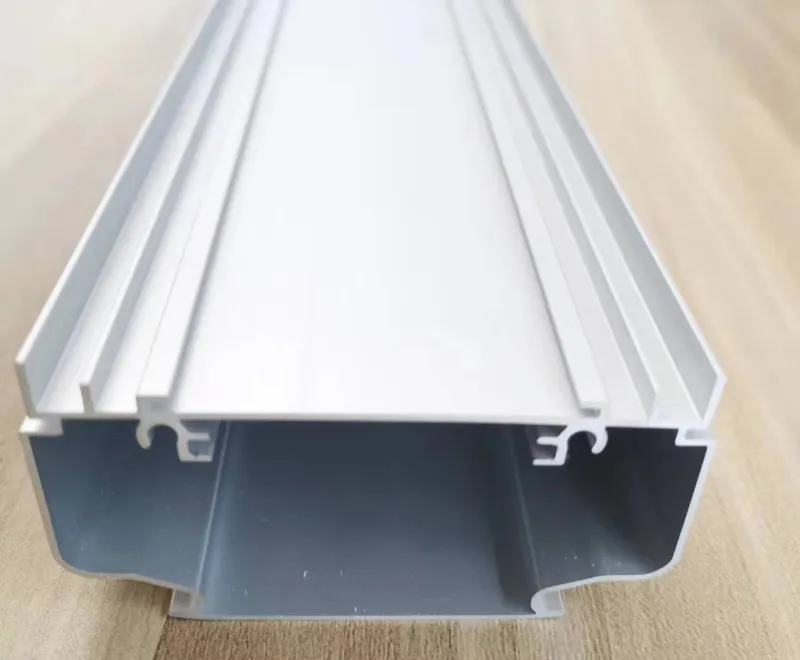
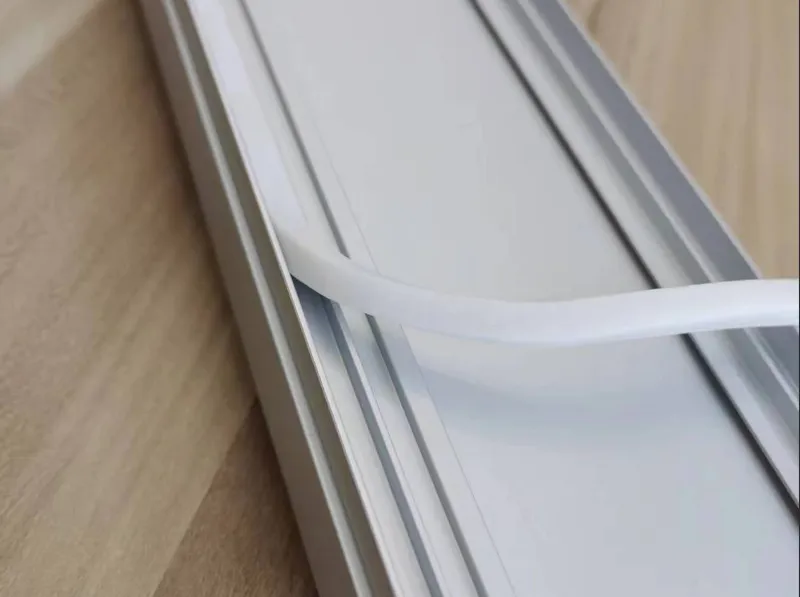
The main body – usually an aluminum profile or a PC (polycarbonate) shell that gives the fixture its shape and structure
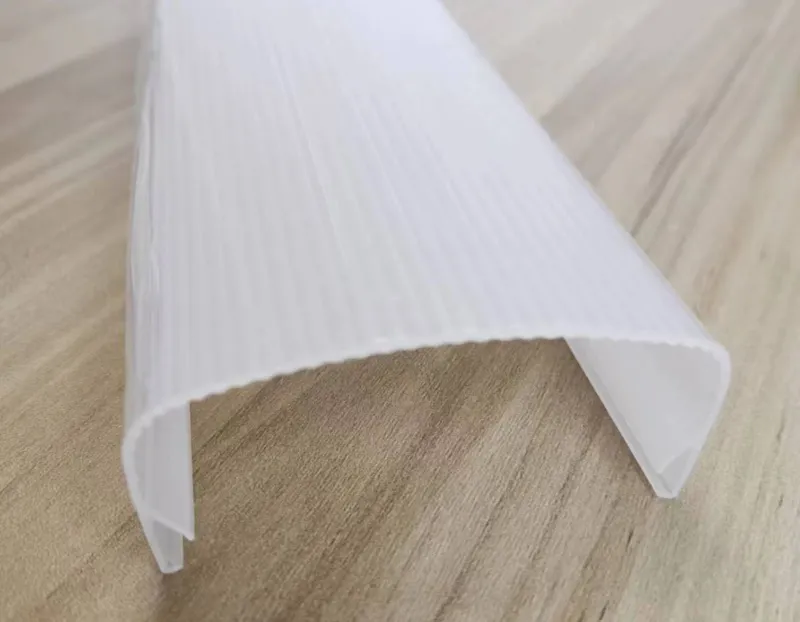
A diffuser – the cover that spreads light evenly and reduces glare, also made of PC
End caps – these seal the ends of the housing with silicone gaskets to keep moisture out
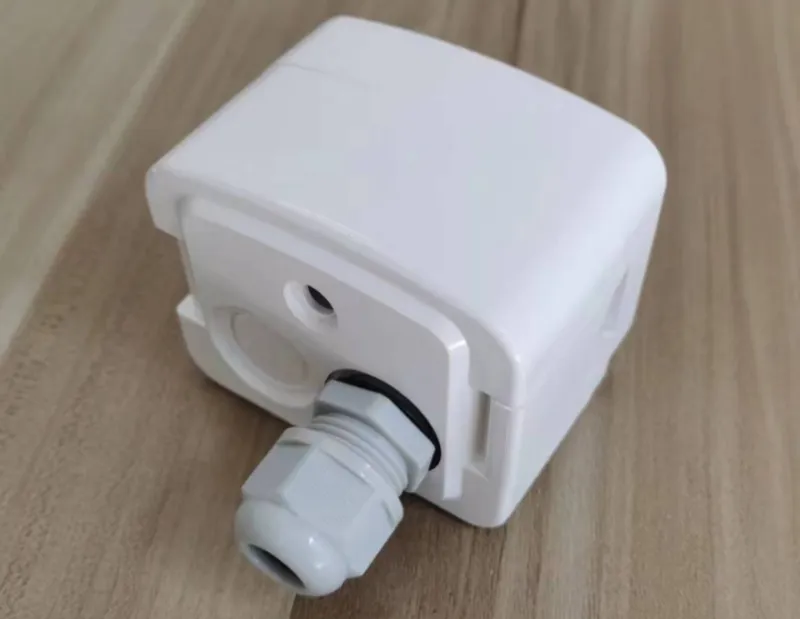
Sealing rings and gaskets – the unsung heroes that actually make the "proof" part work
A waterproof breathable valve – sounds fancy, but it just lets pressure equalize without letting water in
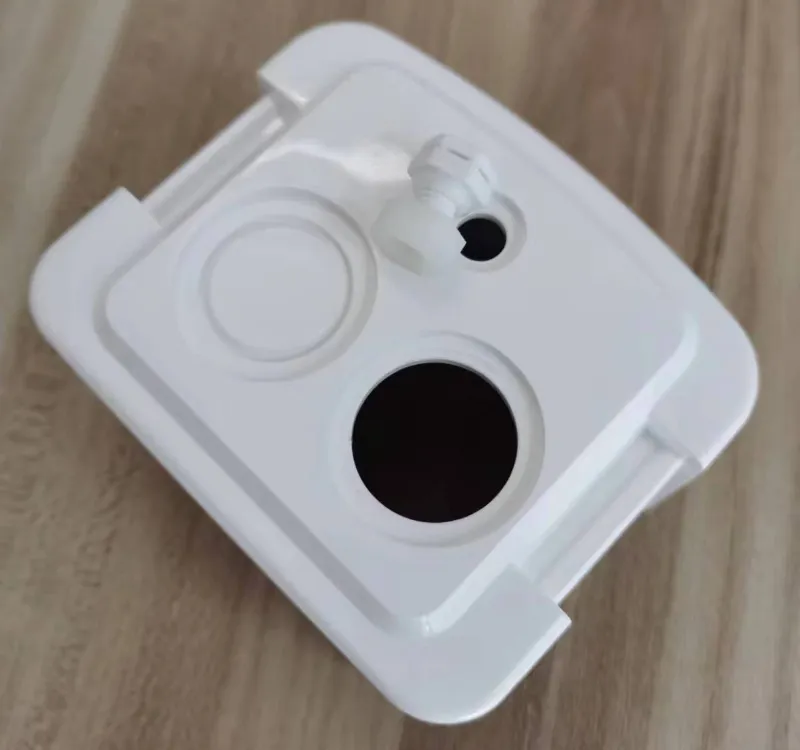
The housing isn't just a box. It's carefully designed to keep the internals safe while also managing heat – because LEDs generate heat, and heat kills LEDs.
Two Main Types of Housings
Here's where it gets interesting. There are basically two camps when it comes to LED tri proof lamp housing:
Aluminum housings – These are extruded from 6063 aluminum alloy. Aluminum is great at pulling heat away from the LED chips because it conducts heat about a thousand times better than plastic. You'll usually see cooling fins on the back of these housings – those aren't just for looks. More surface area means cooler LEDs, and cooler LEDs last longer. Aluminum housings also hold their shape better over long spans, which keeps the seals tight.
Polycarbonate housings – These are molded plastic, but don't let the word "plastic" fool you. PC is tough stuff. You can hit it with a hammer and it won't shatter. It's naturally corrosion-proof, lightweight, and resists UV damage. The downside? It doesn't dissipate heat nearly as well as aluminum.
That's why you'll see a lot of hybrid designs – aluminum body for heat management, PC diffuser for durability and light transmission. Best of both worlds.
Why the Housing Design Matters
A tri-proof light housing isn't just about keeping water out. It's about keeping the light working in places where ordinary lights would fail. We're talking about:
Power plants where dust and humidity are everywhere
Food processing facilities that get hosed down regularly
Parking garages with temperature swings and moisture
Chemical plants where corrosive vapors are a real concern
Ships and marine environments where salt spray eats through ordinary metal
The housing is what makes those applications possible. It's the difference between a light that lasts five years and one that dies in six months.
The IP Rating Thing
You'll see numbers like IP65 and IP66 thrown around a lot. Here's what they actually mean:
IP65 – completely dust-tight and protected against low-pressure water jets
IP66 – completely dust-tight and protected against powerful water jets
IP67 – can handle temporary immersion in water
The housing, combined with the gaskets and seals, is what makes these ratings possible. A cheap housing with bad seals won't hold an IP rating no matter what the spec sheet says.
A Quick Word on Quality
Not all housings are created equal. The good ones use 100% new raw materials – no recycled plastic, no second-hand aluminum. They use stainless steel screws instead of ordinary steel ones that rust in humid environments. The gaskets are made of silicone that doesn't degrade over time.
The cheap ones? They cut corners. And you'll find out about those corners about a year into using them when the light flickers and dies.
The Bottom Line
A LED tri-proof lamp housing is the backbone of any durable industrial light. It protects, it cools, and it keeps the whole thing running in environments that would destroy a standard fixture. Whether it's aluminum for heat dissipation or polycarbonate for impact resistance, the housing is what separates a light that works from a light that doesn't.
Next time you see one of these lights hanging in a parking garage or a factory, take a closer look. That housing isn't just there to look pretty – it's doing some seriously heavy lifting.
JE is a factory specializing in the production of LED tri proof lamp housing, for more details, please refer to:
For more details, please contact: sales@jeledprofile.com
Tel/Whatsapp/Wechat: 0086 13427851163