- English
- Español
- Português
- русский
- Français
- 日本語
- Deutsch
- tiếng Việt
- Italiano
- Nederlands
- ภาษาไทย
- Polski
- 한국어
- Svenska
- magyar
- Malay
- বাংলা ভাষার
- Dansk
- Suomi
- हिन्दी
- Pilipino
- Türkçe
- Gaeilge
- العربية
- Indonesia
- Norsk
- تمل
- český
- ελληνικά
- український
- Javanese
- فارسی
- தமிழ்
- తెలుగు
- नेपाली
- Burmese
- български
- ລາວ
- Latine
- Қазақша
- Euskal
- Azərbaycan
- Slovenský jazyk
- Македонски
- Lietuvos
- Eesti Keel
- Română
- Slovenski
- मराठी
- Srpski језик


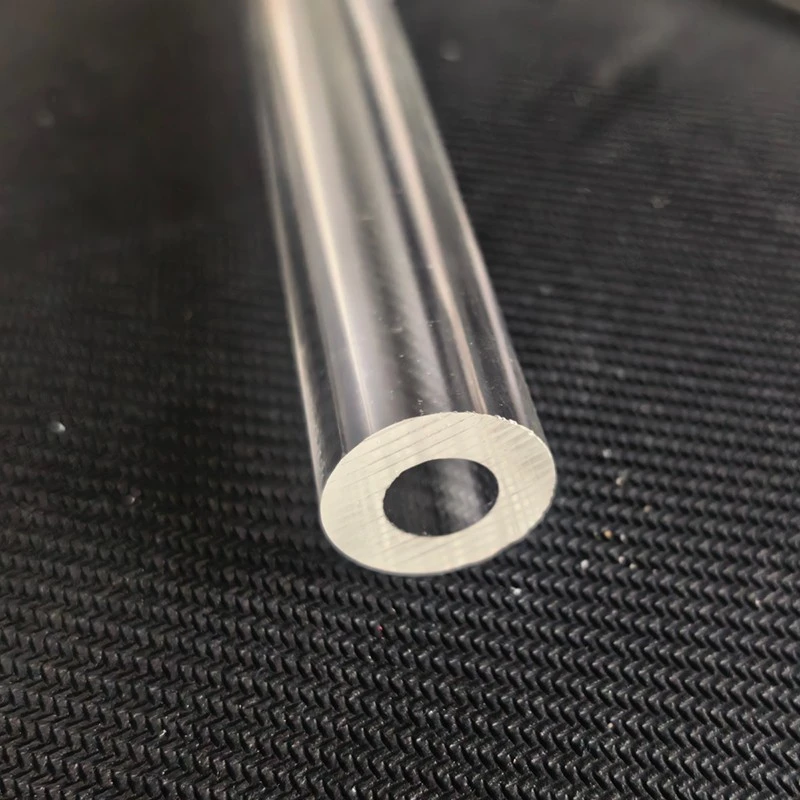
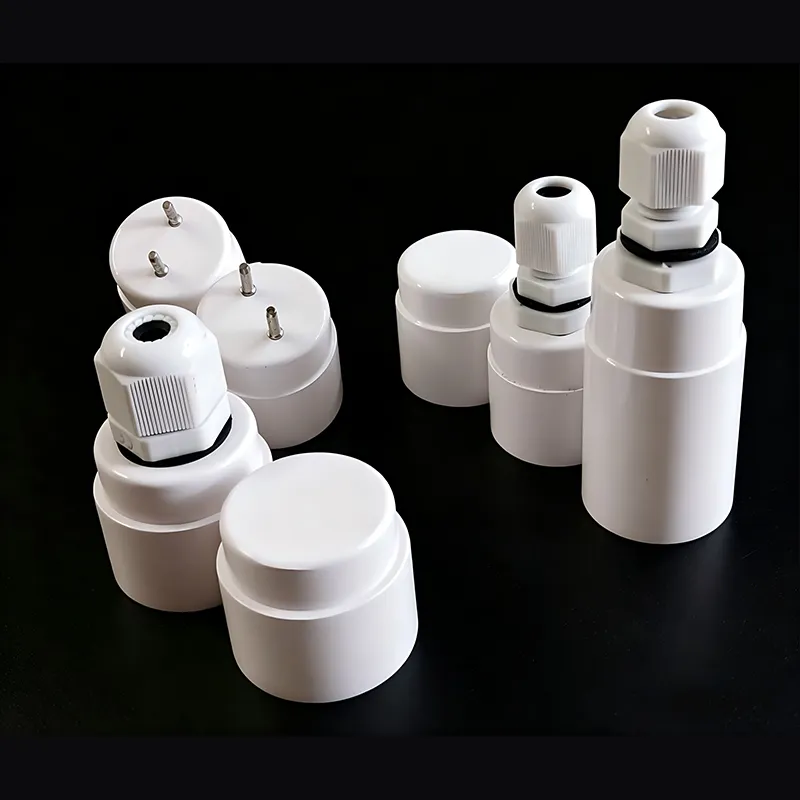
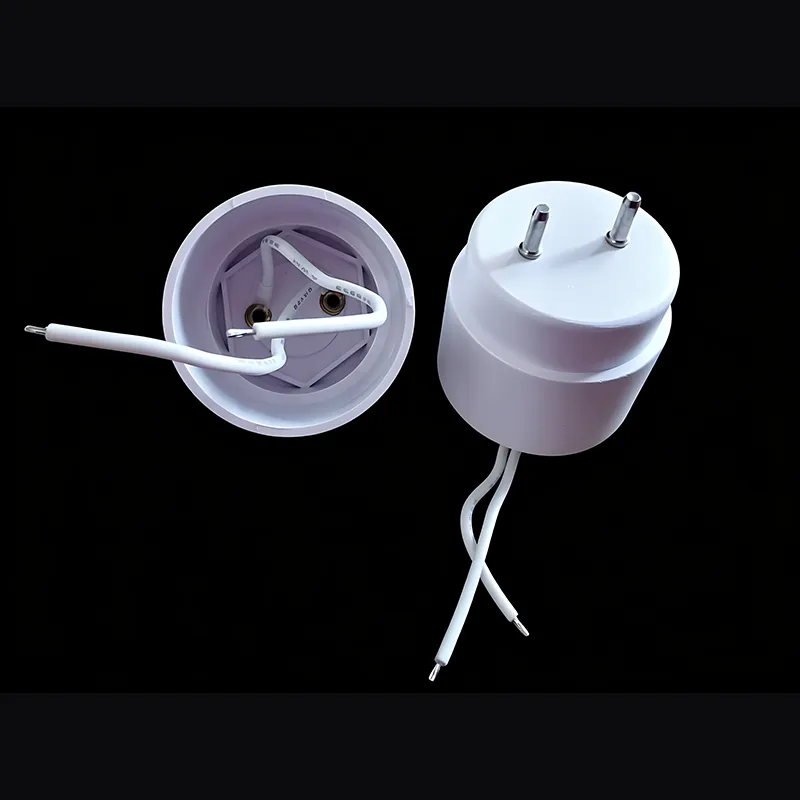
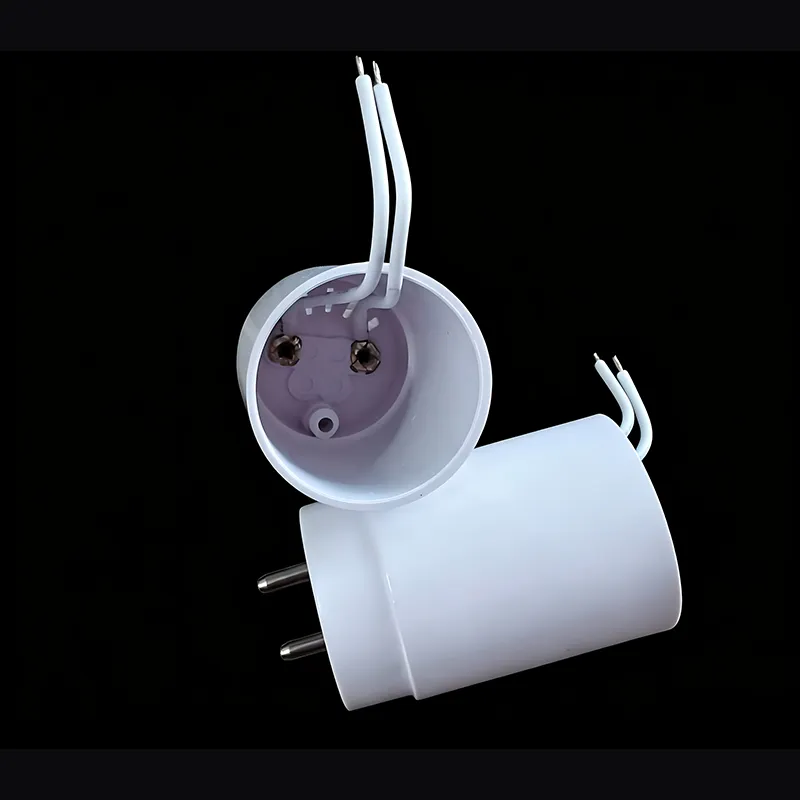
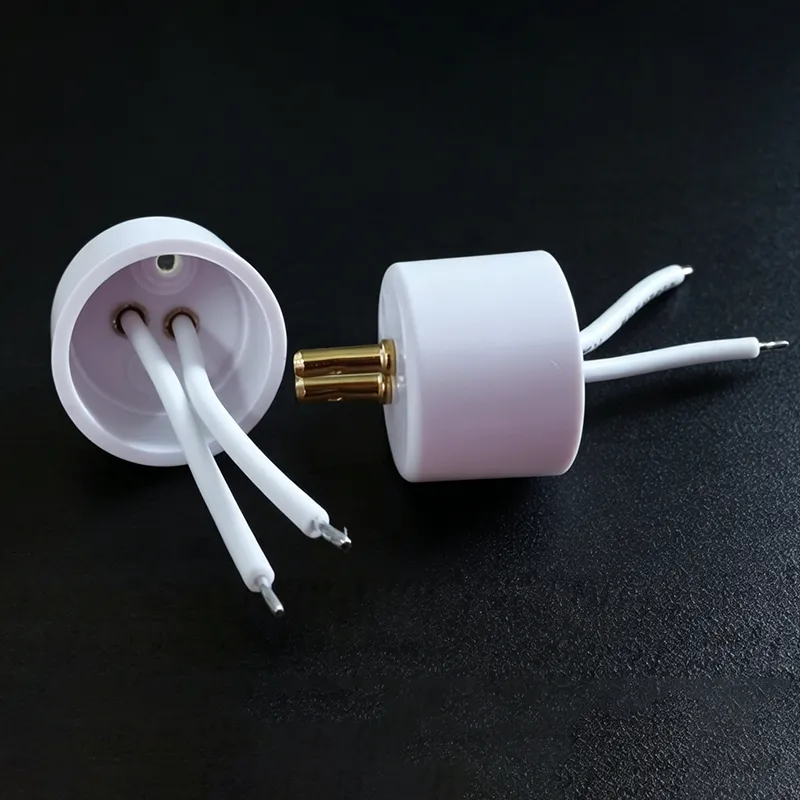
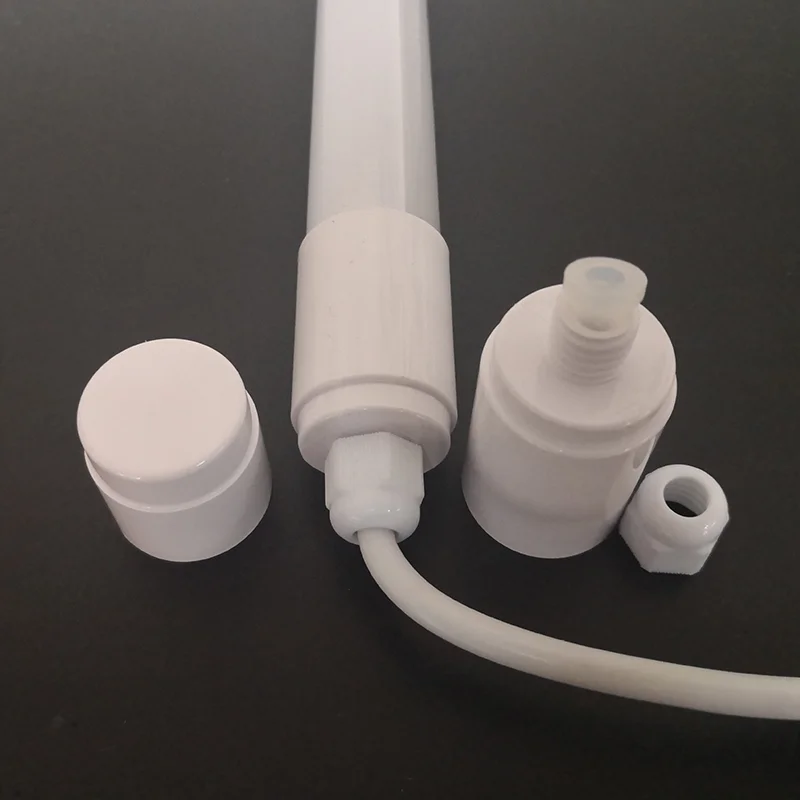
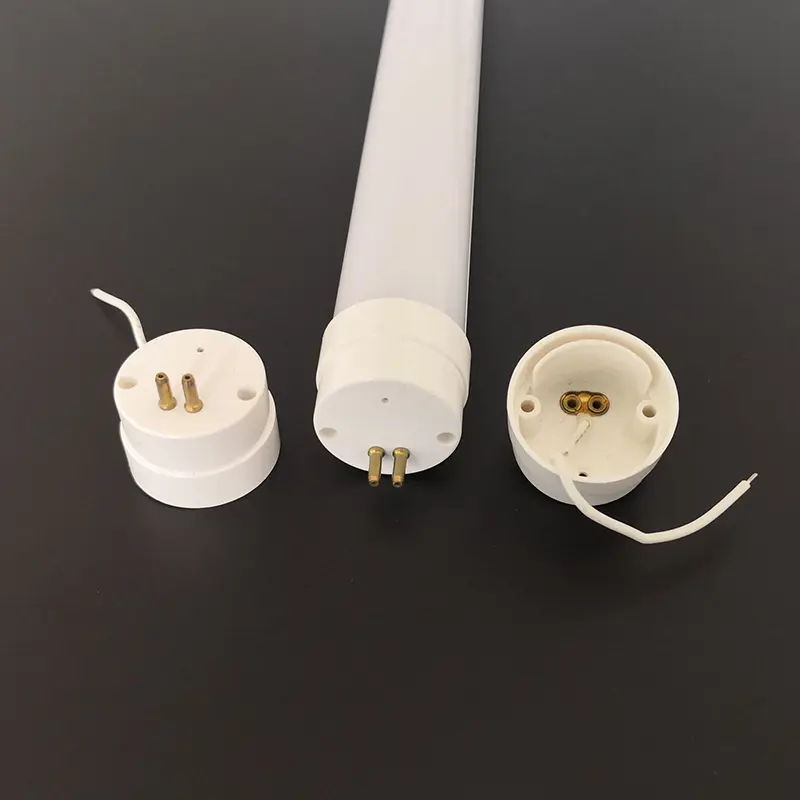
Tube End Cap
Lighting technology has changed more in the last 10 years than in the previous 50 years combined. But as a professional developer and manufacturer of LED tube end caps, JE's expertise has remained consistent. Those seemingly insignificant little parts—those that won't appear on the specifications sheet or in the brochure—often determine whether a product is reliable and durable or a headache. LED tube end caps are one such example. Next time you buy LED tubes, don't just look at lumens per watt or color rendering index. Ask your supplier: "What material are your end caps made of? What is the protection rating? Are they UV stabilized? Are the pins nickel-plated?" If they hesitate or look clueless, switch suppliers. Trust me, your maintenance team will thank you in three years. If you encounter end cap issues in a specific application scenario—high temperature, humidity, vibration, etc.—please contact me. I may have encountered similar situations before and would be happy to share my solutions!
Send Inquiry
Product Description
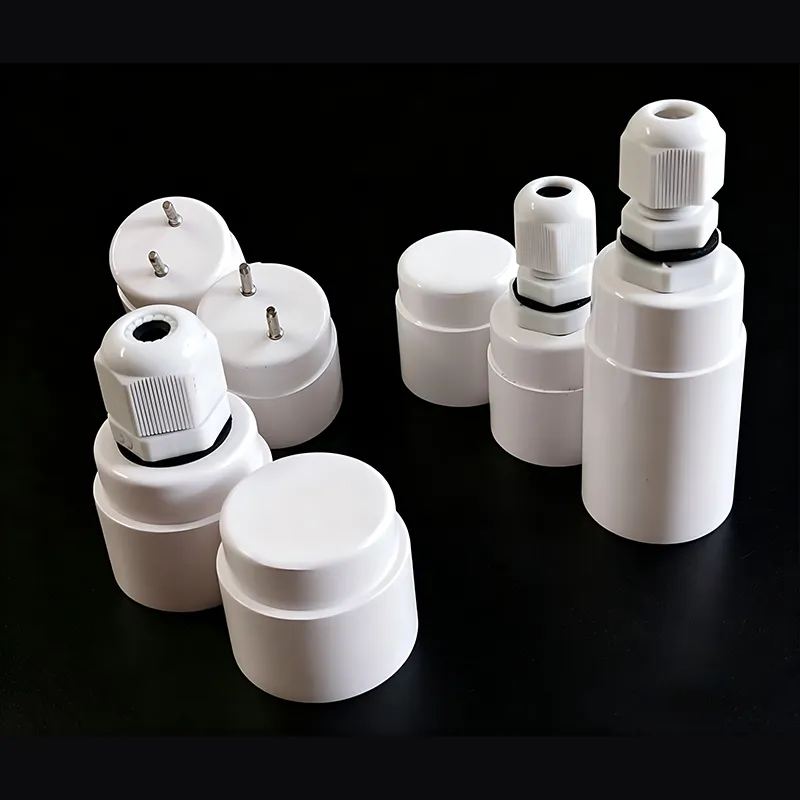
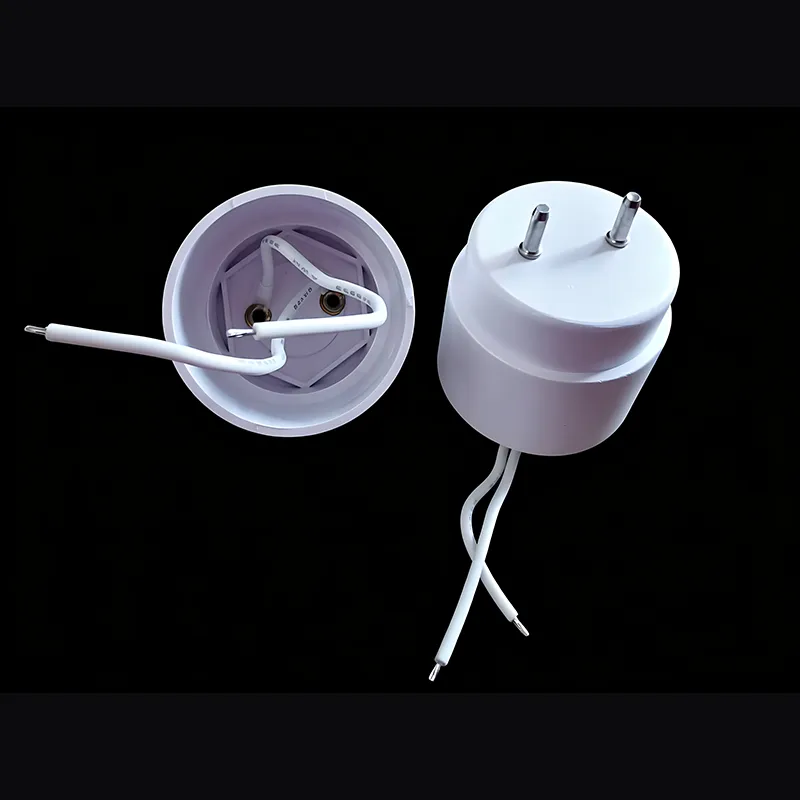
Our company JE manufactures various tube end caps. LED T5, T8, T10 and T12 end caps. And also can offer G5, G13 and waterproof end caps. So, how should we choose the right LED tube end caps for your project? We have some suggestions:
Question 1: Where will the tube be installed?
Dry, indoor, no UV exposure → ABS or standard PC material is sufficient.
Damp, high humidity, or occasional water splashes → PC material with an IP44 protection rating or higher, and equipped with silicone gaskets.
Outdoor direct sunlight → UV-stabilized PC material only.
Extremely cold or hot → PBT or fiberglass-reinforced PC material.
Question 2: What electrical safety rating do I need?
Residential → UL94 V-2 is sufficient.
Commercial or industrial → UL94 V-0 is strongly recommended.
Medical or high-density buildings → V-0 rating, with increased creepage distance and safety distance.
Question 3: Does the end cap need to be replaceable on-site?
Some LED tube end caps are glued or ultrasonically welded—making them impossible to replace without damaging the tube. Other tubes use screw-on or snap-on caps. For large projects requiring long-term maintenance, I prefer replaceable designs. However, note that replaceable caps are more difficult to completely seal against moisture.
Product Parameter (Specification)
| Item NO. | JE- Tube- EC |
| Effective length | 11mm/others |
| Tube | T8/T10/T12/T5 |
| Material | PC |
| Color | White |
| Shape | Round/Oval |
| Pin | / |
| Wire | With out wire/One wire/two wires |
| Waterproof | IP20/IP65 |
Product Feature And Application
Tube end caps are mainly used in:
Large supermarket lighting renovation: For example, thousands of fluorescent tubes are replaced with LEDs. By using the compatibility of G13 end caps, the entire site can be renovated within 3 days, saving 60% of electricity.
High-altitude lighting fixtures in industrial plants: Avoid removing ballasts at high altitudes and directly replace LED tubes to reduce safety risks.
School/hospital emergency lighting: Keep the original emergency lighting fixture frame and quickly upgrade to LED light sources to meet fire regulations.

Product Details
More details of this tube end cap:
Product Qualification
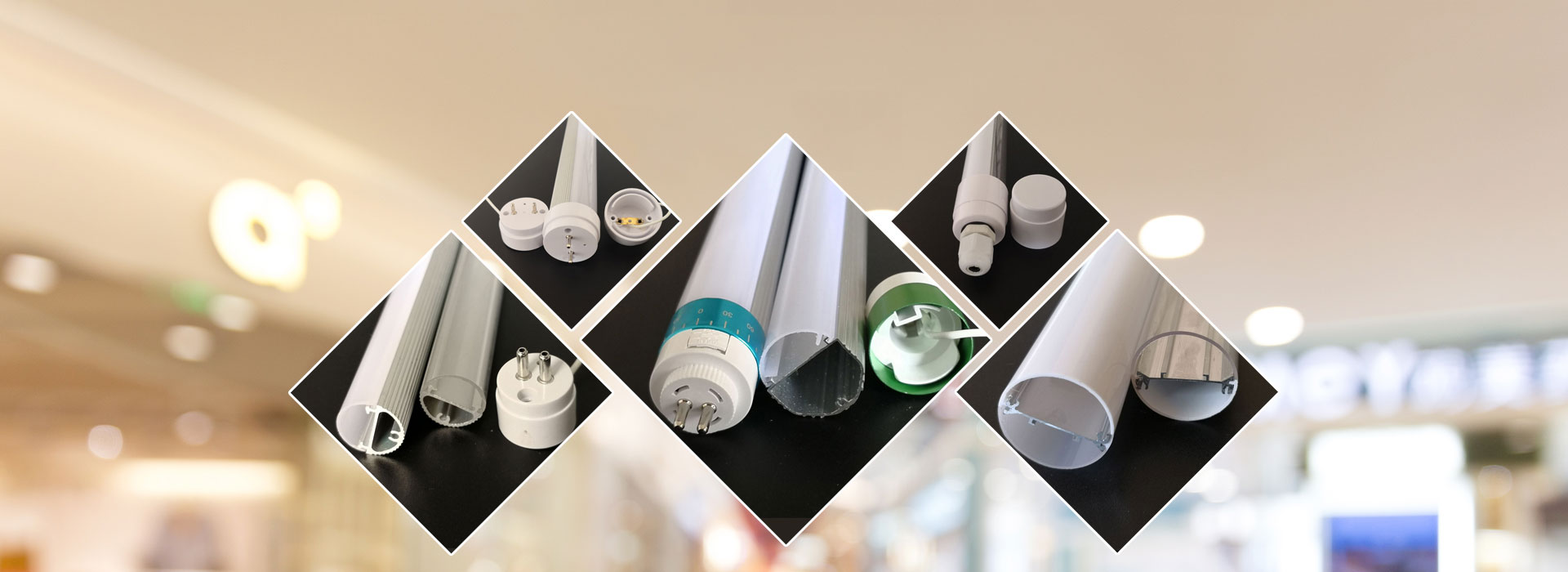
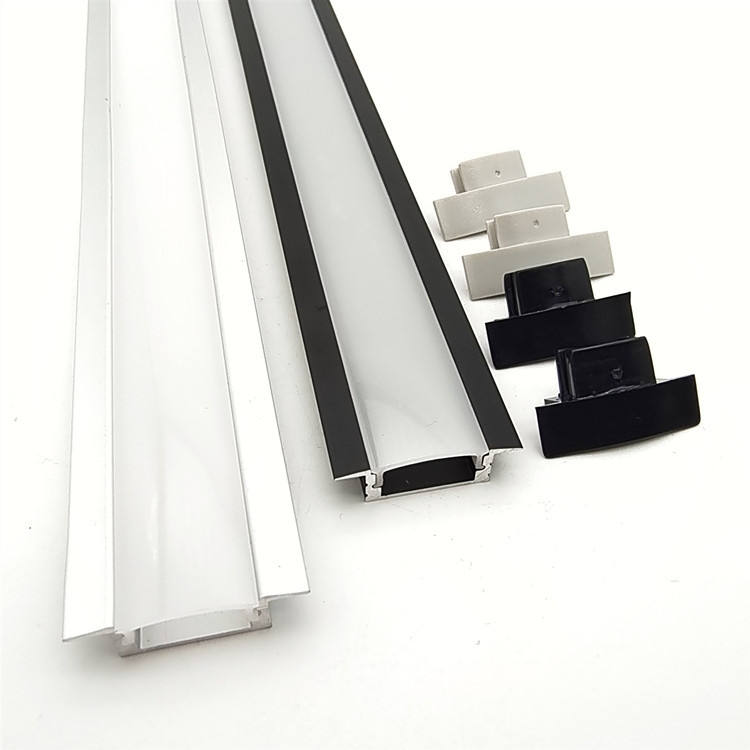
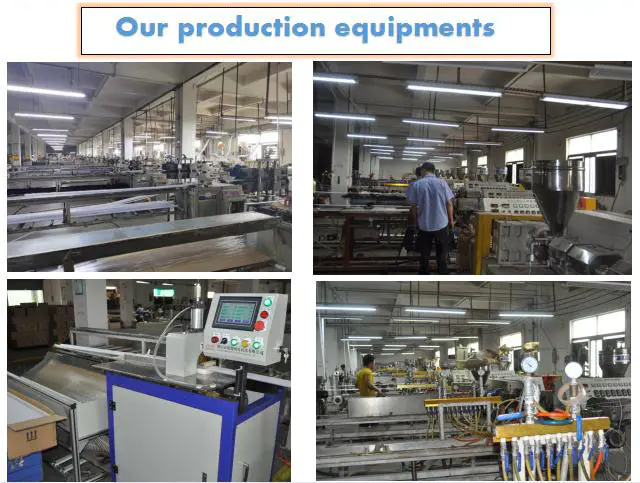
Dongguan Jinen Lighting Technology Co., Ltd. is located in Dongguan City, Guangdong Province, the "world factory". The products we can produce include various special-shaped plastic profiles, PC round tubes for LED lighting, LED plastic tube diffusers, LED linear light housings, LED T5/T6/T8/T10/T12 tube housings, LED three-proof housings, LED LED aluminum profiles for light bars, etc. The materials we commonly process are PC, PMMA, ABS, PVC, etc. Most of the products are used in lighting, and some products are used in construction, decoration, packaging, toys, medical equipment and other industries.
As a LED tube housing manufacturer in China, JE has a professional design, development and production team for LED tube end caps, and can provide a variety of end caps matching LED tubes according to customer requirements,truly a one-stop shop type LED tube housing accessories supplier. The LED tube end cap is an important part of the LED tube housing. The production process is mainly injection molding, which can be used for LED T5 tube, LED T8 tube, LED T10 tube and LED T12 tube.
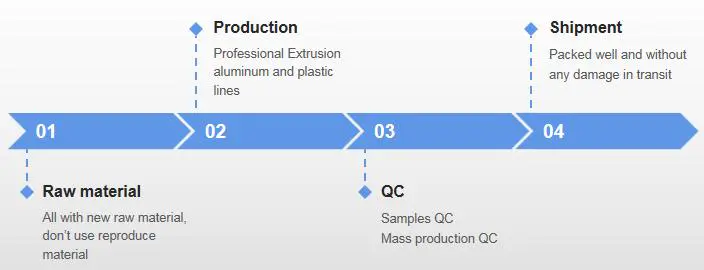
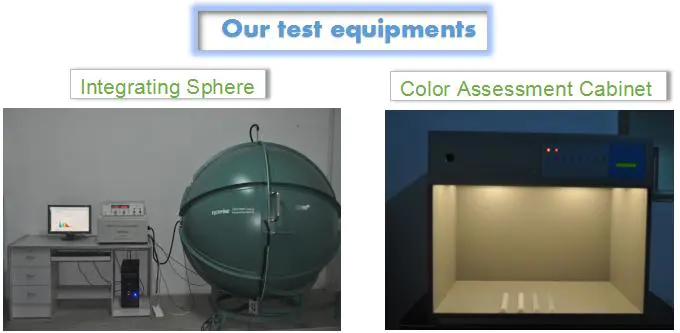
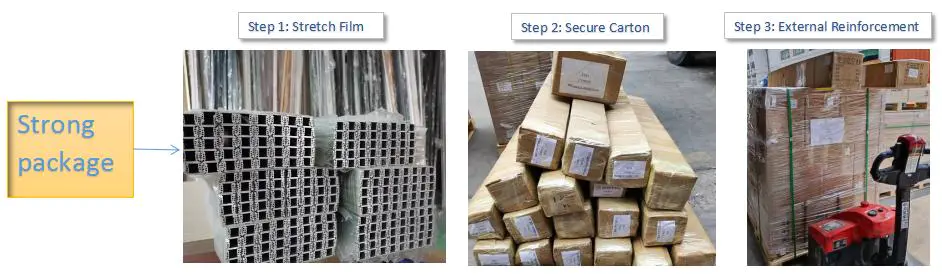
Deliver,Shipping And Serving

7.FAQ – Everything You’ve Wanted to Ask About LED Tube End Caps
I’ve collected the most common questions from emails, site visits, and forum threads. Here are my honest answers.
Q1. Can I replace a broken LED tube end cap myself, or do I need to replace the whole tube?
You can replace it if the tube is designed with a removable end cap. Look for small screws or snap tabs. If the cap is glued or welded, replacement is risky – you might damage the glass or the PCB inside. I recommend buying tubes with replaceable end caps for any project larger than 50 tubes. Then keep a small stock of spare caps. If you’re not sure, contact the tube manufacturer and ask for their replacement procedure.
Q3. What’s the difference between an end cap for a glass LED tube and one for a polycarbonate tube?
Glass tubes require end caps with a softer inner liner (often silicone or rubber) to cushion the glass and prevent cracking from vibration. Polycarbonate tubes are more forgiving. Also, glass tubes usually have a larger diameter tolerance, so the end cap needs a more precise fit. I’ve seen end caps that work fine on PC tubes but crack glass tubes because they’re too tight. Always match the end cap to the exact tube model.
Q4. How do I know if an end cap is UV-stabilized?
You can’t tell just by looking. But you can ask the supplier for a UV resistance test report according to ASTM G154 or ISO 4892. A reputable supplier will provide this. If they don’t know what that is, walk away. Another clue: UV-stabilized PC is often slightly more expensive and may have a faint amber tint. But that’s not reliable – only lab tests confirm.
Q5. Do I need a gasket between the end cap and the tube body?
For IP20 indoor use, no. For any damp or dusty environment, yes. The gasket should be made of silicone (best temperature range) or EPDM (good for outdoor but less flexible). Avoid foam gaskets – they compress over time and lose seal. A proper LED tube end cap for outdoor use will have a pre-installed silicone gasket with a groove to keep it in place.
Q6. Can the same end cap work for both T8 and T12 tubes?
No. T8 tubes have a diameter of 26mm (1 inch). T12 tubes are 38mm (1.5 inches). The end cap’s inner diameter must match the tube. Some universal end caps claim to fit both using stepped designs, but I’ve never seen one that seals well. Buy the correct size.
Q7. What causes the pins to turn black or green?
That’s corrosion. Black is usually oxidation of tin or silver plating. Green is copper corrosion. It means moisture got into the cap. The fix is to replace the end cap and also check the fixture socket – the socket pins may be corroded too. For new installations, use nickel-plated pins and a sealed LED tube end cap with at least IP54 rating.
Q8. Are metal end caps better than plastic?
Metal end caps (usually aluminum) are sometimes used for high-heat or high-impact applications. They dissipate heat better and are nearly unbreakable. But they have two big downsides: they’re conductive, so electrical safety requires careful insulation around the pins. And they cost 3-5x more than plastic. For 99% of LED tubes, high-quality PC or PBT is the right choice. I’ve only spec’d metal end caps for military or mining equipment.
Q9. How tight should the pins fit into the socket?
They should be snug but not forced. You should feel a slight resistance and then a positive click when the tube is fully seated. If the pins slide in with no resistance, the socket is worn or the pin diameter is too small. If you have to push hard enough that the tube bends, the end cap or socket is out of spec. A properly designed LED tube end cap holds the pins with a spring-like action, not just friction.
Q10. Can I recycle an end cap separately from the tube?
Yes, if you separate the plastic from the metal pins. Most end caps are thermoplastic (PC, ABS, or PBT) and can be recycled in facilities that accept #7 plastics. The pins are brass or steel and are scrap metal. But honestly, the energy to separate them often isn’t worth it. I recommend checking with your local e-waste recycler – some take whole tubes and handle disassembly.
Q11. What should I do if an end cap melts or deforms?
Stop using the tube immediately. A melted end cap means the tube is overheating – either the LED driver is failing, the tube is in a fixture with no airflow, or the ambient temperature is too high. First, fix the cause. Then replace the tube or at least the end cap. Do not try to patch a melted cap with tape or glue. That’s a fire hazard.
Hot Tags: Tube End Cap, China, Manufacturers, Factory, Customized, Made in China, Suppliers, Wholesale, Quotation
Related Category
LED Tube Housing
LED Aluminum Profiles
LED Plastic Profiles
Tri-proof LED Fixture
PC Tube
LED Tube End Cap
Send Inquiry
Please feel free to give your inquiry in the form below. We will reply you in 24 hours.