- English
- Español
- Português
- русский
- Français
- 日本語
- Deutsch
- tiếng Việt
- Italiano
- Nederlands
- ภาษาไทย
- Polski
- 한국어
- Svenska
- magyar
- Malay
- বাংলা ভাষার
- Dansk
- Suomi
- हिन्दी
- Pilipino
- Türkçe
- Gaeilge
- العربية
- Indonesia
- Norsk
- تمل
- český
- ελληνικά
- український
- Javanese
- فارسی
- தமிழ்
- తెలుగు
- नेपाली
- Burmese
- български
- ລາວ
- Latine
- Қазақша
- Euskal
- Azərbaycan
- Slovenský jazyk
- Македонски
- Lietuvos
- Eesti Keel
- Română
- Slovenski
- मराठी
- Srpski језик

What is a LED tube end cap?
Let me start with something I learned my first year in the lighting business, back when we were still wrestling with magnetic ballasts and fluorescent tubes. Nobody ever thinks about the end cap. They look at the tube, the driver, the housing, and the diffuser. But that little plastic piece on each end? Ignored until it fails. And when it fails, the whole fixture dies, or worse, becomes a safety hazard.
I’ve been doing product consulting for industrial lighting since early 2017. I’ve tested thousands of components, walked through dozens of factories, and watched contractors struggle over a one-dollar part. So today, I want to answer a question that sounds simple but is actually critical: What is an LED tube end cap?
By the time you finish reading this, you’ll know exactly what materials matter, which parameters you cannot ignore, and how to choose the right LED tube end cap for any application. I’ll give you real examples from my own project files, and at the end, I’ve put together an FAQ section that covers the questions I get asked most often by electricians, facility managers, and procurement people.
What Is an LED Tube End Cap? The Short Version
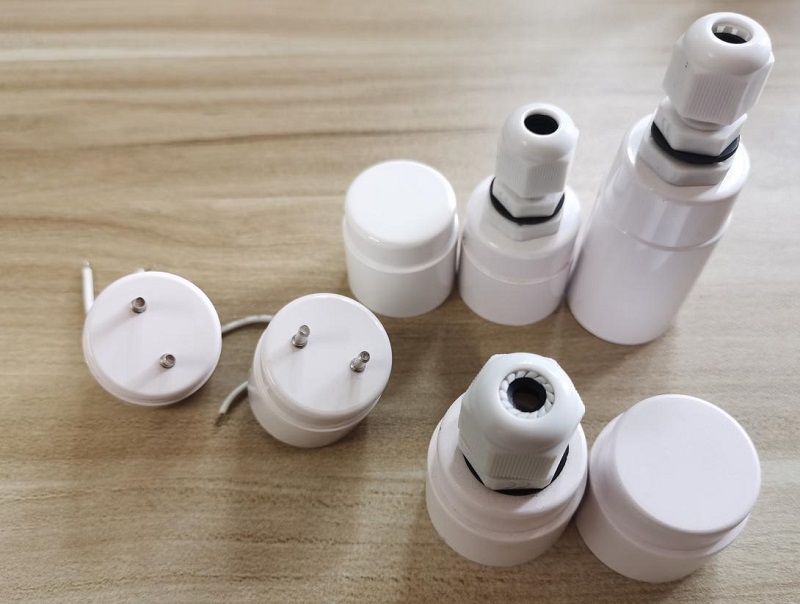
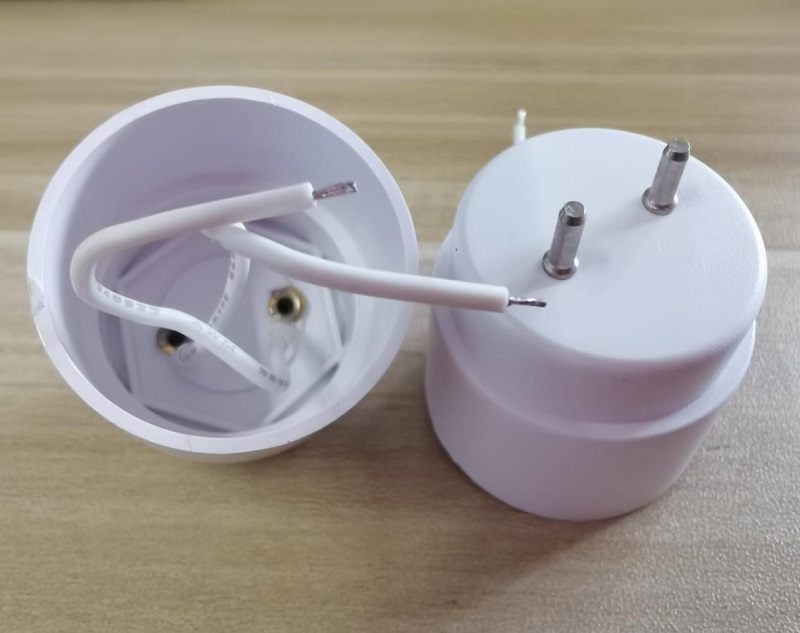
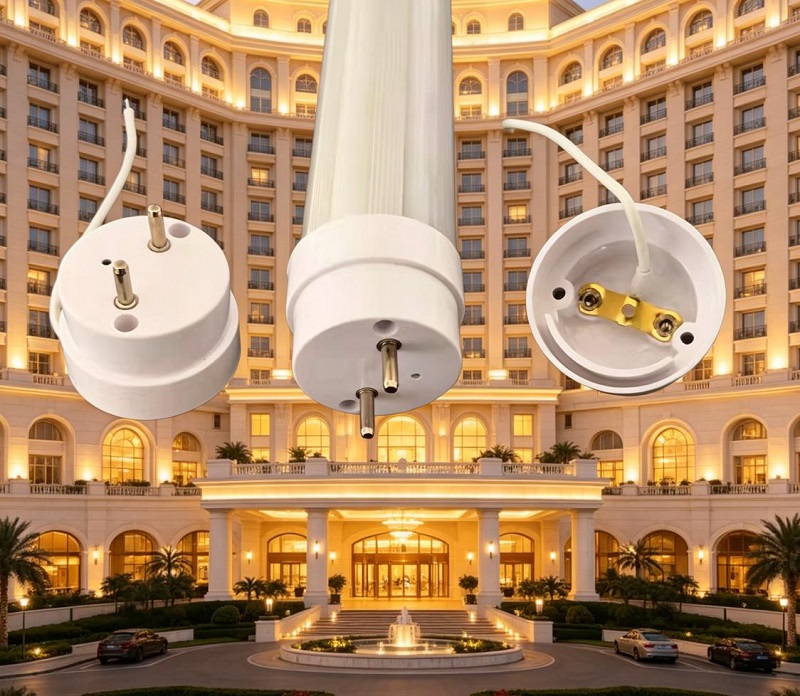
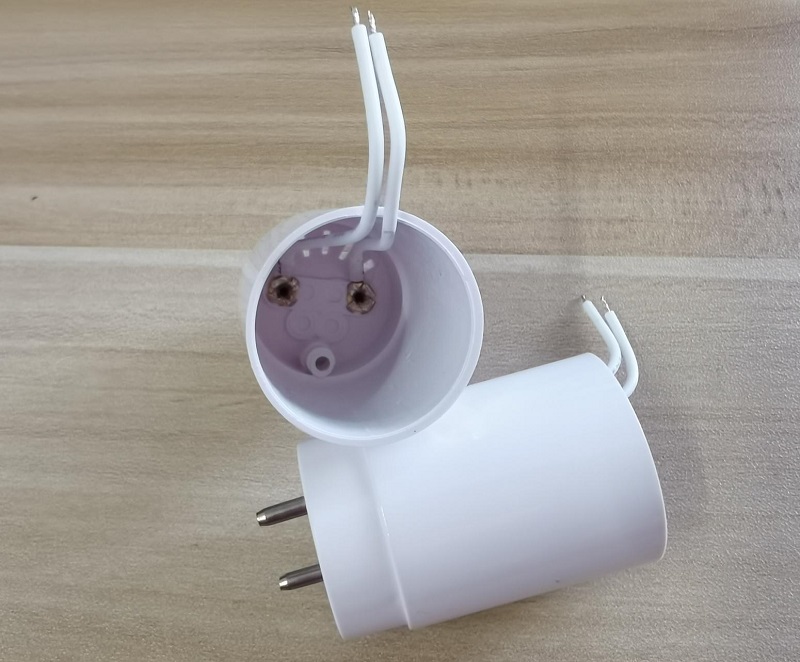
In plain English, an LED tube end cap is the plastic or metal component that seals the ends of a linear LED tube (T8, T5, T12, etc.). It holds the electrical pins (G13, G5, etc.) in place, protects internal wiring, and seals the tube from dust and moisture.
Without it, the tube would expose live electrical contacts—creating both safety risks and reliability issues.
After years in the field, I can confidently say the difference between a high-quality LED tube end cap and a cheap one can determine whether a fixture lasts 50,000 hours or fails within months.
Why Most People Ignore End Caps – And Why They Shouldn’t
In 2018, I worked with a hotel chain in Florida that retrofitted 2,000 T8 fixtures with LED tubes. Within eight months, failures started: flickering, outages, buzzing.
The LEDs and drivers tested fine. The issue? The LED tube end cap.
The manufacturer had used low-grade ABS plastic without UV stabilization. Exposure to sunlight made the material brittle, causing cracks that allowed moisture in. The result: corroded pins and failed tubes.
After replacing the end caps with UV-stabilized polycarbonate versions, the failure rate dropped to nearly zero—without changing the LED tubes themselves.
Materials – What You Need to Know
1. Polycarbonate (PC) – The Gold Standard
Polycarbonate is suitable for about 90% of applications. It offers:
- High impact resistance
- Heat resistance (120–130°C)
- Excellent dimensional stability
- Optional UV resistance for long-term durability
In cold storage environments (as low as -20°F), glass-filled PC (PC+GF) performs exceptionally well, resisting cracking and mechanical stress.
Key parameter: UL94 V-0 flammability rating is preferred for commercial applications.
2. ABS – Cost-Effective but Limited
ABS is suitable for indoor, controlled environments. It provides:
- Lower cost
- Good insulation properties
However, it has drawbacks:
- Poor UV resistance
- Lower heat tolerance (90–100°C)
- Prone to yellowing and brittleness over time
In high-sunlight regions, ABS end caps often degrade quickly, leading to increased maintenance costs.
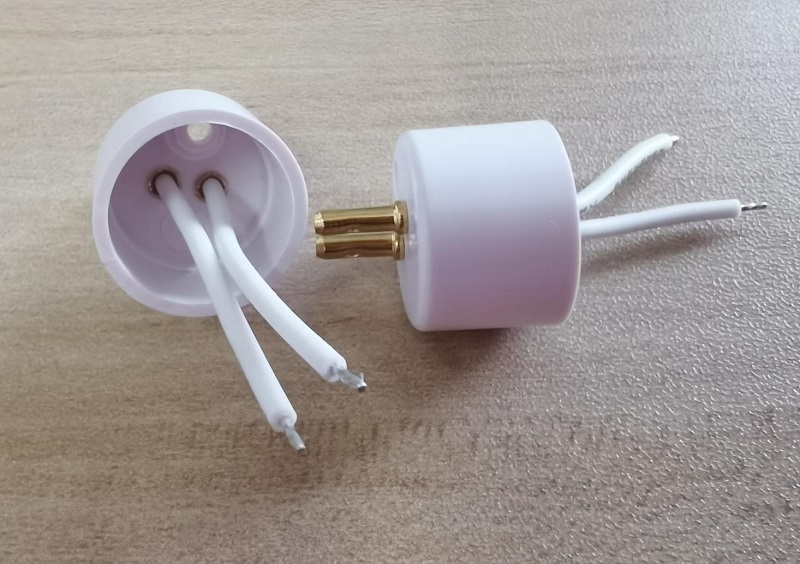
3. PBT – High-Performance Option
PBT is ideal for demanding environments. Benefits include:
- High heat resistance (up to 150°C)
- Excellent chemical resistance
- Low moisture absorption
It is commonly used in industrial settings such as bakeries, factories, and high-temperature installations.
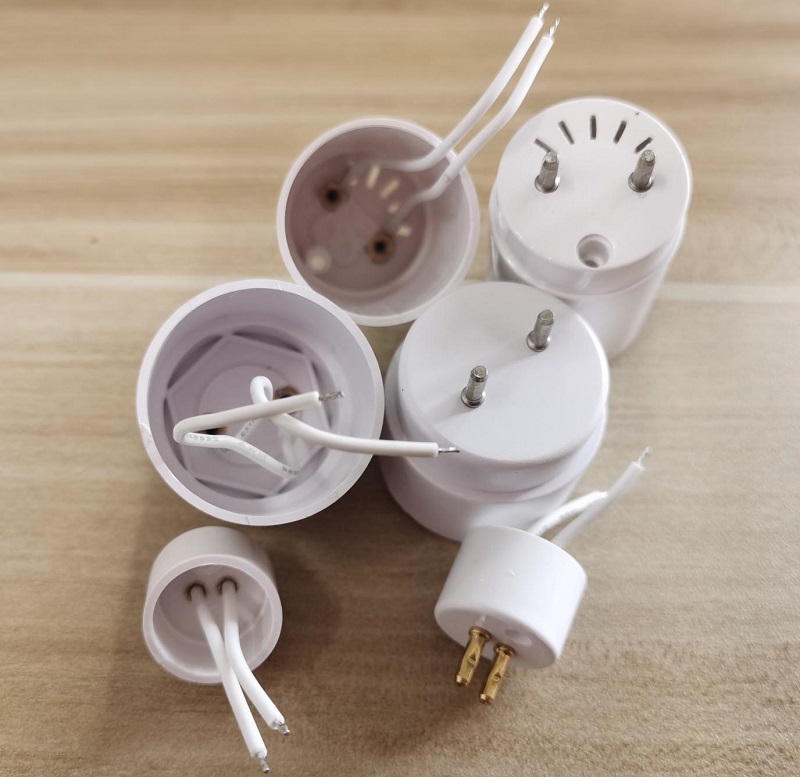
Key Parameters – What to Check Before Choosing
When I evaluate an LED tube end cap, I look at a short list of parameters. Don’t skip any of these.
Pin type and spacing – T8 uses G13 pins (13mm spacing). T5 uses G5 (5mm spacing). Some specialty tubes use G24 or other bases. The end cap must match exactly. I’ve seen suppliers send “universal” end caps that claim to fit both – they don’t work well.
Pin material – Most pins are brass with nickel or tin plating. Nickel is better for corrosion resistance. Tin is cheaper but can oxidize in humid environments. For coastal or chemical plant applications, I insist on nickel-plated brass.
IP rating (ingress protection) – For dry indoor use, IP20 is fine. For damp locations (bathrooms, covered patios), look for IP44 or IP54. For outdoor or washdown areas, you need IP65 or IP66 on the LED tube end cap itself, but remember that the whole tube’s seal matters. The end cap is only one part.
Flammability rating – UL94 V-0 means the plastic self-extinguishes within 10 seconds. V-2 allows some flaming drips. For commercial buildings, many codes require V-0. Always check local regulations.
Operating temperature range—Standard PC or ABS is usually -20°C to +60°C. For cold storage or high-heat environments, you need extended ranges. PBT can go to -40°C or +120°C.
RoHS and REACH compliance – Mandatory for Europe, but even for US projects, it’s a sign of a responsible manufacturer.
Let me give you a real example of how these parameters play out. A few years ago, I was helping a lighting designer specify LED tubes for a subway station in Boston. The environment had vibration (trains), moisture (leaks in the tunnel), and temperature swings (from freezing winter air to warm summer). We chose an LED tube end cap made of UV-stabilized PC, UL94 V-0, with nickel-plated brass pins, IP65 rating, and a silicone gasket between the cap and the tube body. That cap cost $0.70 instead of $0.30. But the station had 5,000 tubes. The extra $2,000 upfront saved them an estimated $15,000 in maintenance calls over five years.
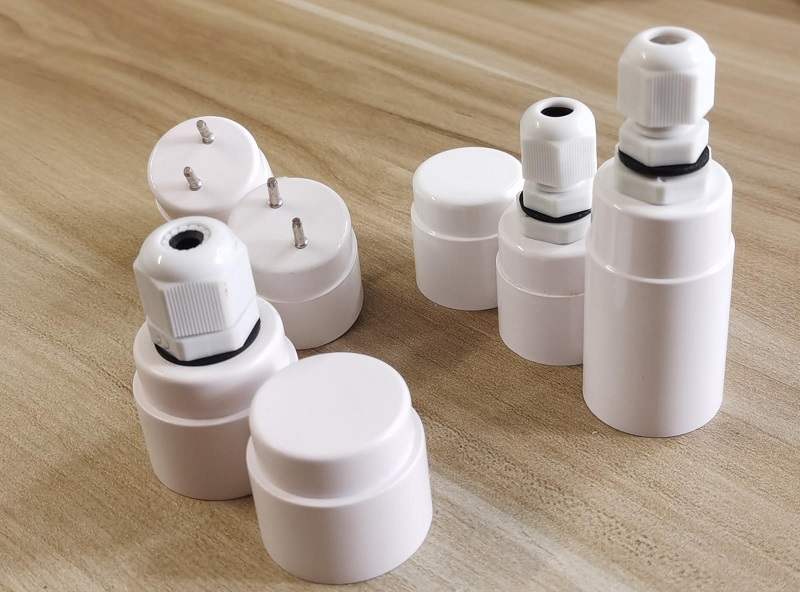
Real Project Insight
In a subway station project, we specified LED tube end caps with the following:
- UV-stabilized polycarbonate
- UL94 V-0 rating
- Nickel-plated brass pins
- IP65 sealing with silicone gasket
The cost difference per unit was minimal, but it significantly reduced long-term maintenance expenses.
About JE
JE is a factory specializing in the production of LED tube end caps.
Contact Information
- Website: https://www.jeledprofile.com
- Email: sales@jeledprofile.com
- Tel/WhatsApp/WeChat: 0086 13427851163