- English
- Español
- Português
- русский
- Français
- 日本語
- Deutsch
- tiếng Việt
- Italiano
- Nederlands
- ภาษาไทย
- Polski
- 한국어
- Svenska
- magyar
- Malay
- বাংলা ভাষার
- Dansk
- Suomi
- हिन्दी
- Pilipino
- Türkçe
- Gaeilge
- العربية
- Indonesia
- Norsk
- تمل
- český
- ελληνικά
- український
- Javanese
- فارسی
- தமிழ்
- తెలుగు
- नेपाली
- Burmese
- български
- ລາວ
- Latine
- Қазақша
- Euskal
- Azərbaycan
- Slovenský jazyk
- Македонски
- Lietuvos
- Eesti Keel
- Română
- Slovenski
- मराठी
- Srpski језик

Why the LED T8 Housing Matters More Than You Think?
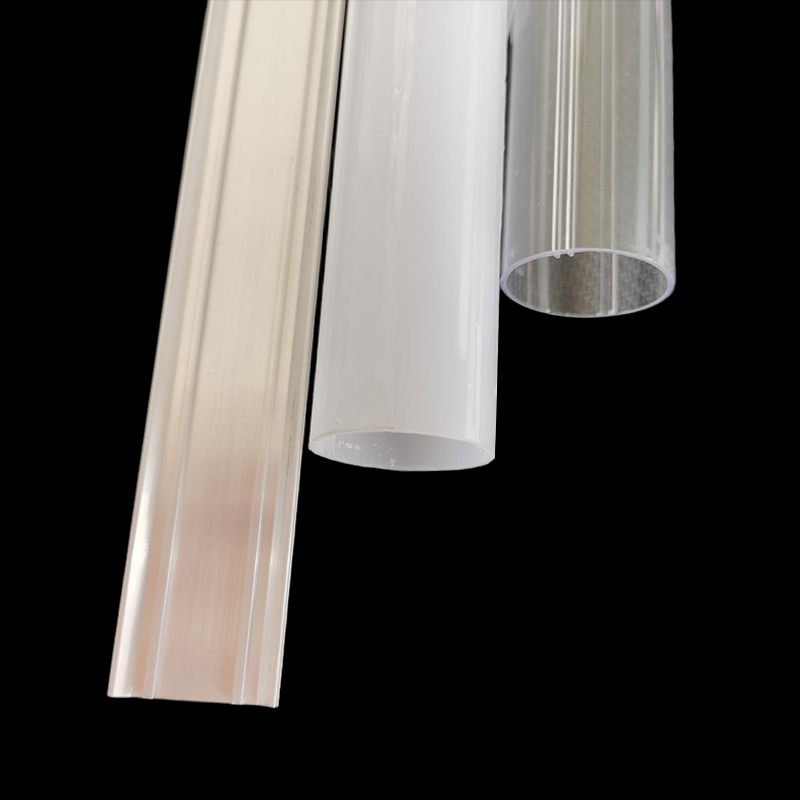
Here’s where twenty years of experience kicks in. A cheap housing will kill good LEDs faster than anything else. Heat is the enemy, and if the housing doesn’t act as a proper heatsink, your lumen output drops within months. I always tell my clients: think of the LED T8 housing as the engine block—it’s not glamorous, but if it fails, everything fails.
Modern housings are designed to be future-proof. They often come with push-wire terminals, pre-wired entry points, and enough internal space to accommodate different driver sizes. For new builds, I prefer housings with a separate wiring compartment, so electricians aren’t wrestling with cables near the sensitive LED components. It also makes it easier to swap a driver five years down the line without replacing the entire fixture.
Frequently Asked Questions
I’ve gathered the questions I hear most from contractors and building owners across the UK. These are the real-world concerns that come up before anyone puts an order in.
1.Can I install an LED T8 hosing directly into an old fluorescent T8 housing?
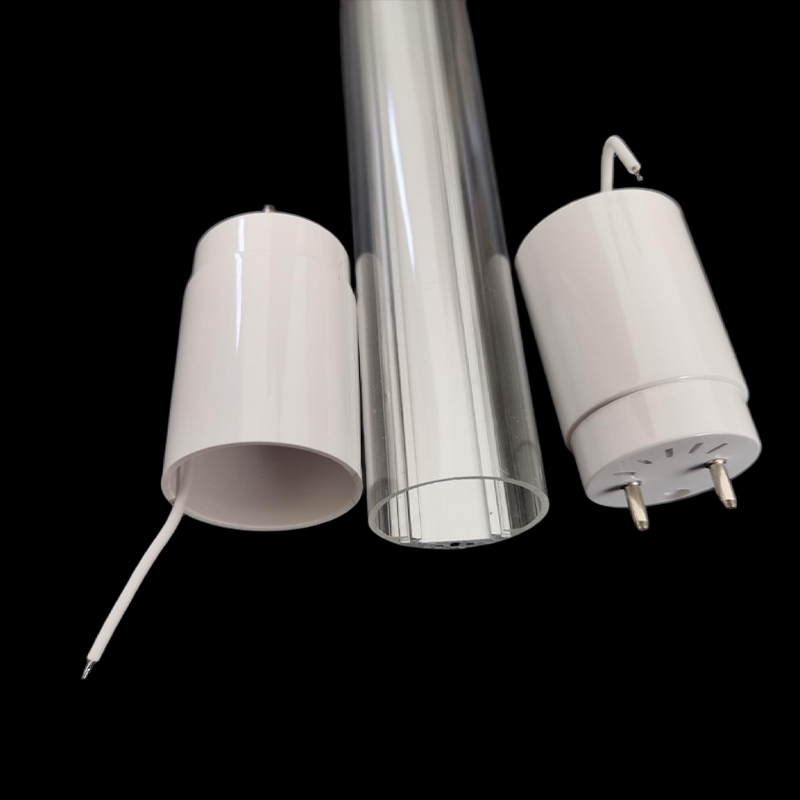
It depends on whether you bypass the ballast. Old fluorescent housings contain a magnetic or electronic ballast that isn’t compatible with direct-wire LED tubes. You have two options: either use a “plug-and-play” LED tube that works with the existing ballast (though I’m not a fan—ballasts fail), or remove the ballast and rewire the housing for direct mains voltage. If you’re using a dedicated LED T8 housing that’s designed from the ground up for LEDs, you skip all that rewiring hassle because there’s no ballast to begin with. The driver is integrated and matched to the tube.
2.What’s the difference between IP20 and IP65 for these housings?
IP20 is your standard indoor housing. It’s fine for offices, retail spaces, and dry environments where there’s no condensation or cleaning sprays. IP65 adds a rubber gasket around the body, sealed end caps, and sometimes a stainless steel clip system. In the UK, IP65 is what I recommend for kitchens in care homes, warehouse loading bays, and any area that gets steam or high-pressure hosed down. If you see moisture inside an IP20 housing, it’s not a manufacturing defect—it’s the wrong spec for the environment.
3.How do I know if a LED T8 housing will work with an emergency lighting system?
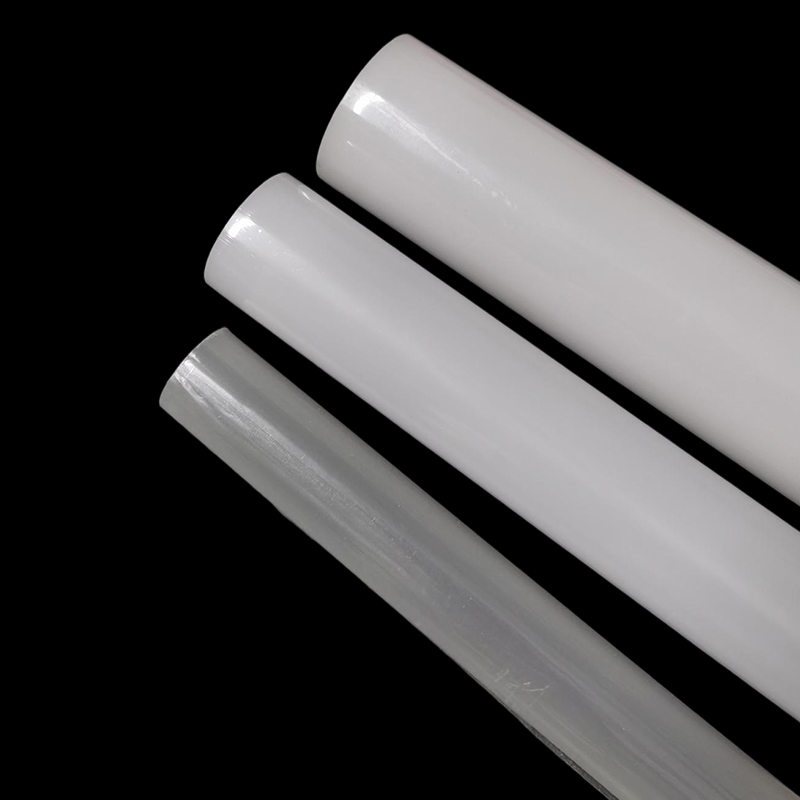
Look for a housing with an “EM” designation or a dedicated compartment for an emergency inverter pack. Most quality LED T8 housing units are designed with a separate section where you can slot in a 3-hour emergency battery pack. The driver needs to be compatible—constant output drivers are best because they maintain the same brightness in emergency mode. If the housing doesn’t have this space, retrofitting emergency functionality becomes a mess of external boxes, which often fails building control inspections.
4.Can I surface-mount these directly onto a ceiling or do I need brackets?
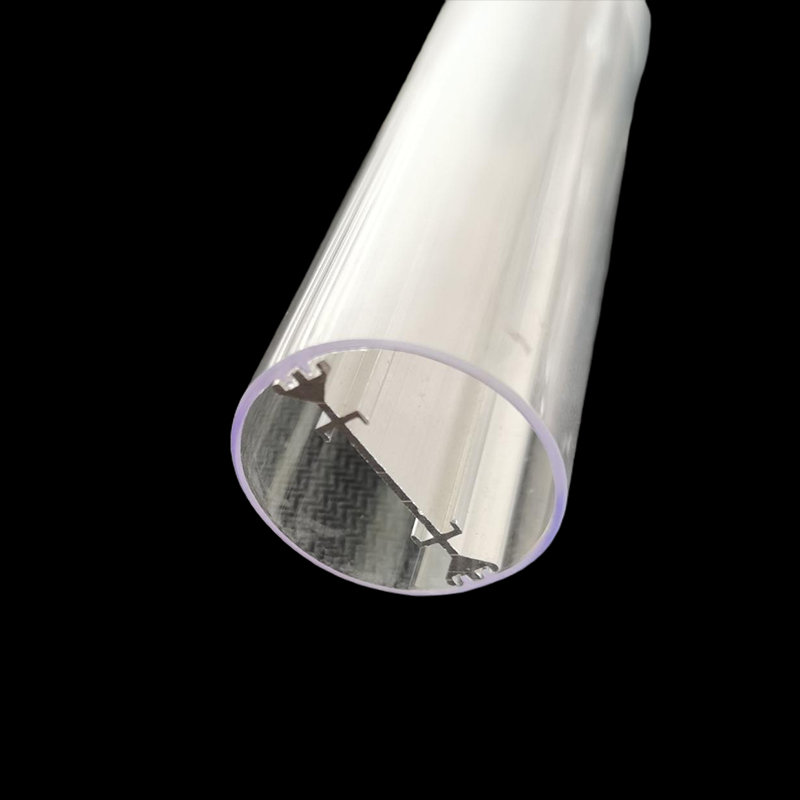
Nearly all linear LED housings come with adjustable metal brackets that let you surface-mount them directly to a solid ceiling, or you can use the same brackets to suspend them on wire rope or chain. For suspended applications, I always advise using a strain-relief cable and ensuring the housing has reinforced end plates. Some cheaper housings are only rated for surface mounting, so if you’re planning a suspended installation in a high-ceiling warehouse, double-check the datasheet for suspension weight limits.
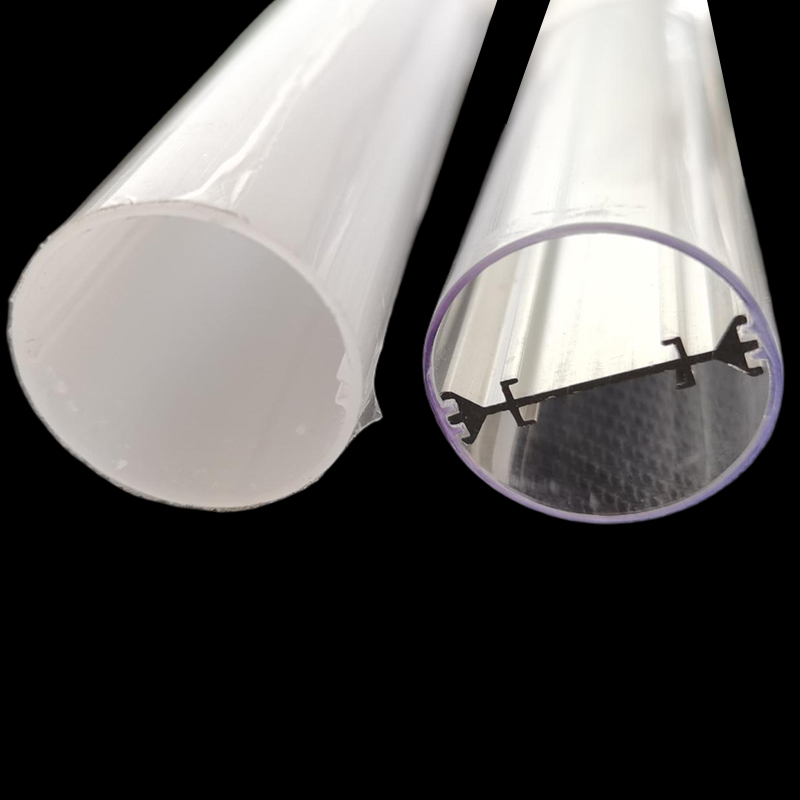
5.What’s the typical lifespan, and is it realistic?
A well-made LED T8 housing paired with a quality driver should give you 50,000 to 70,000 hours of operation. That’s around 15–20 years in a typical office environment. But I’ve seen “budget” housings fail in under three years because the driver overheats or the seals let in moisture. The trick is to look at the warranty: 5 years is standard for good commercial gear; anything less, and the manufacturer is betting on early failure. I always ask for test reports on thermal management—reputable suppliers can provide them.
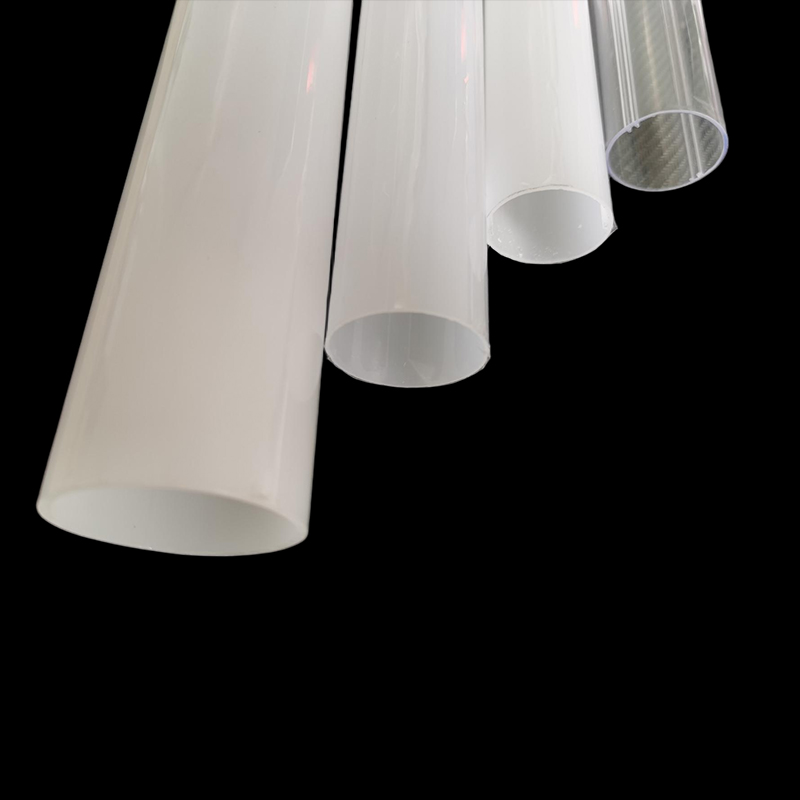
If you take one thing from this, let it be this: the LED T8 housing isn’t just a metal box. It’s a carefully engineered system that manages heat, protects the driver, and determines how easily you’ll install, maintain, or upgrade the lighting in years to come. Whether you’re a building manager tackling a phased retrofit or an electrician who wants to avoid callback headaches, investing time in choosing the right housing pays off.
After two decades in this industry, I still get a kick out of seeing a well-lit warehouse or a perfectly illuminated shop floor—and nine times out of ten, it started with getting the housing right. If you’ve got a specific project in mind, grab the spec sheet, match it against that table, and you’ll be on solid ground.
JE is a factory specializing in the production of LED T8 housing, for more details, please refer to:
https://www.jeledprofile.com
For more details, please contact: sales@jeledprofile.com
Tel/Whatsapp/Wechat: 0086 13427851163
Previous:What is a LED T8 housing?